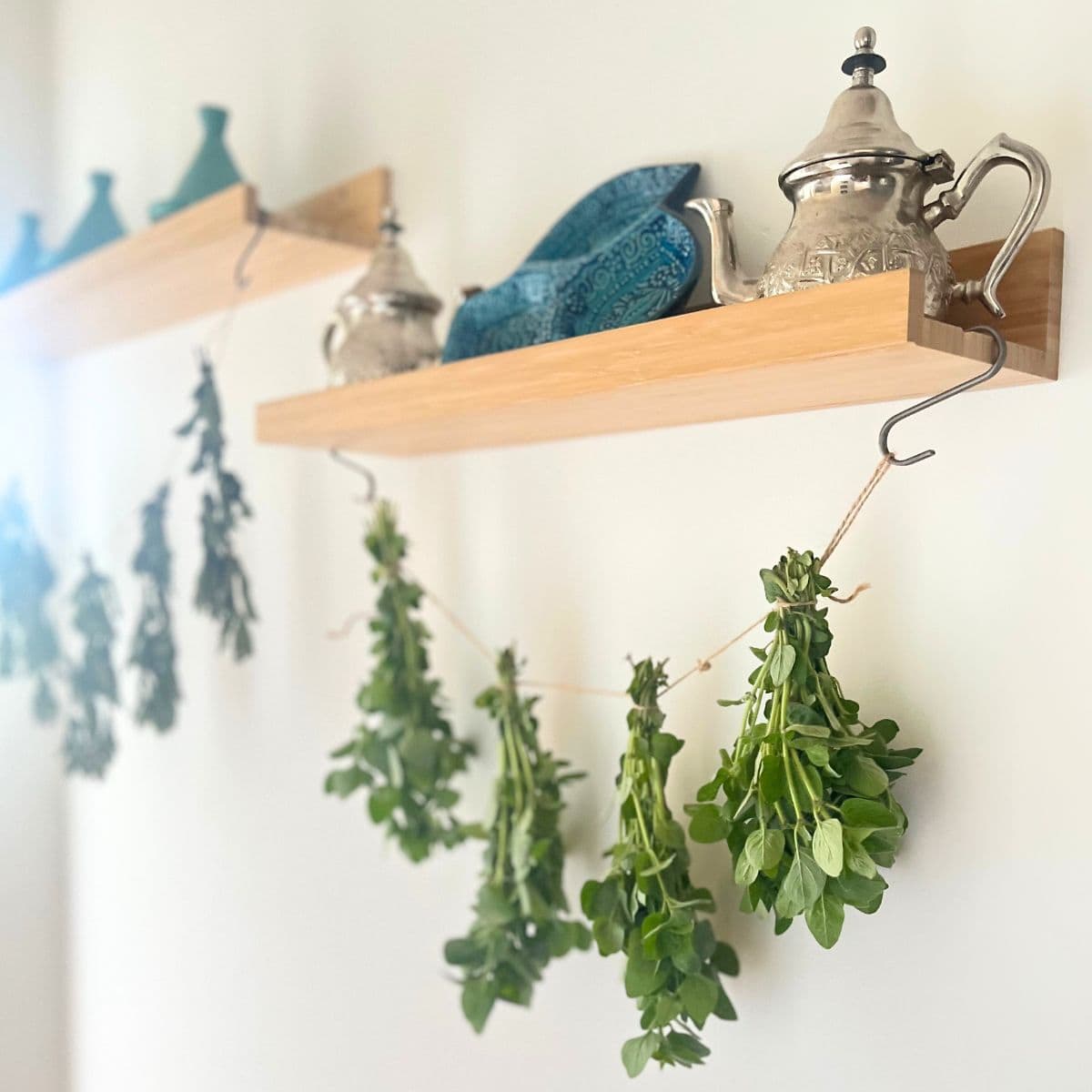
5 Easy Herbs for a Beginner Herbalist’s Tea Garden

These five herbs – mint, thyme, sage, lemon balm, and oregano – are well known as culinary herbs, but oh, did you know that they make perfect herbal teas too? I’ll give you simple suggestions on how to use them plain or paired, and where and how to grow them.
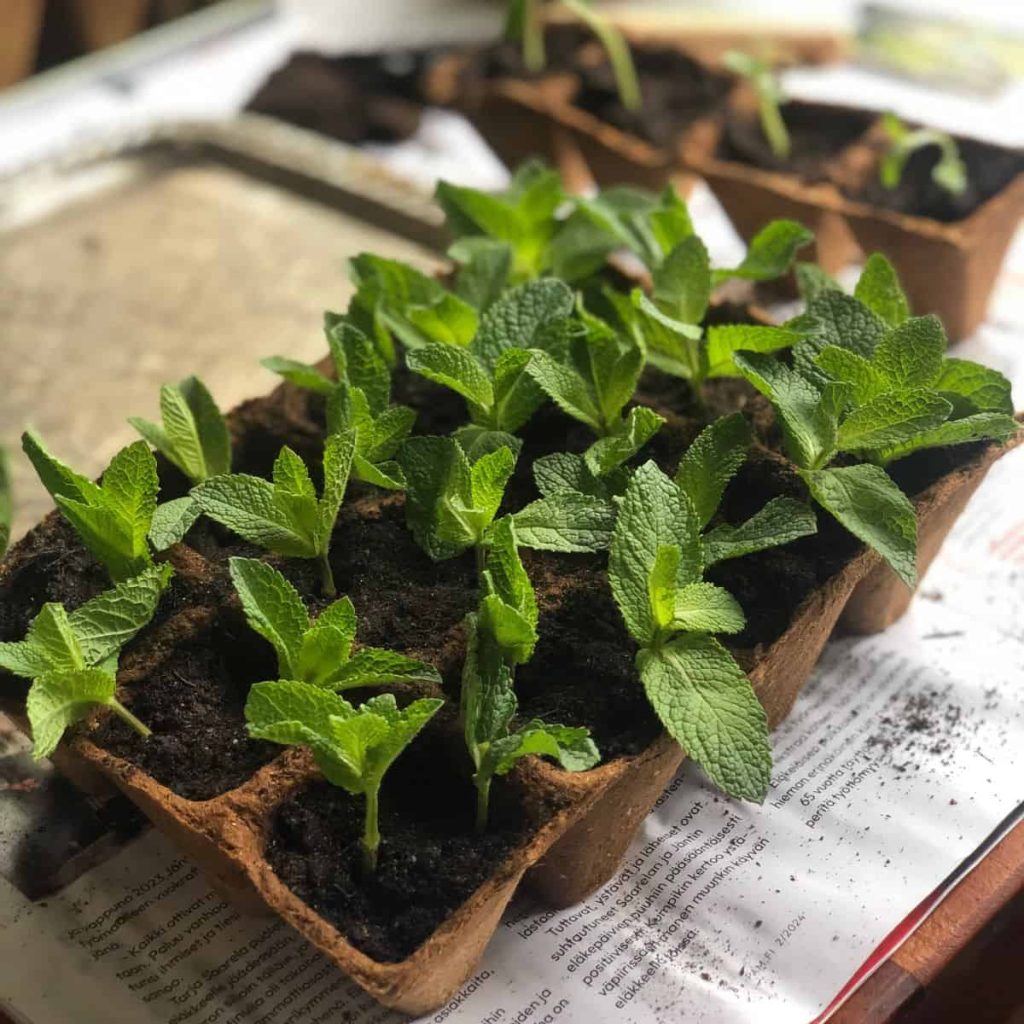
The dream of your own tea garden can start simply from your windowsill. When growing herbs for your own infusions, you don’t need a large garden; even one pot is enough to begin.
Tea Herbs Even Beginners Can Grow
Herbs are an amazing way to enter into a more natural lifestyle. When starting with one pot of herb at a time, the enjoyment of herbal tea can, over time, become part of your day’s rhythm and help you intentionally savor the moment and slow down. Here are the best 5 herbs to start exploring with your tea garden and steeping herbal teas.
Mint to Refresh and Focus
Well known in the kitchen and in the natural medicine cabinet. Mint has plenty of health benefits, and it is one of the simplest and most approachable herbs to start.
What Mint Tea Tastes Like
Mint, especially peppermint, makes slightly sweet, cooling beverages. Perfect for iced teas and even mixed with coffee in an iced mint latte. The refreshing mint tea can freshen up the breath (you know “minty fresh”…), to perk up from fatigue, and even help you focus and concentrate.
I love to sip mint tea in the afternoon to realign my head and mind with a mindful pause and to continue with a fresh and uplifted feeling with the tasks at home.
Why Mint Is Perfect for Beginners
Simple to grow from seed, seedling, or root shoots. Mint loves well-drained, nutritious, calcareous soil. Place in half shadow. It also survives in less nutritious soil and direct sunlight.
Growing Mint in Pots and Small Gardens
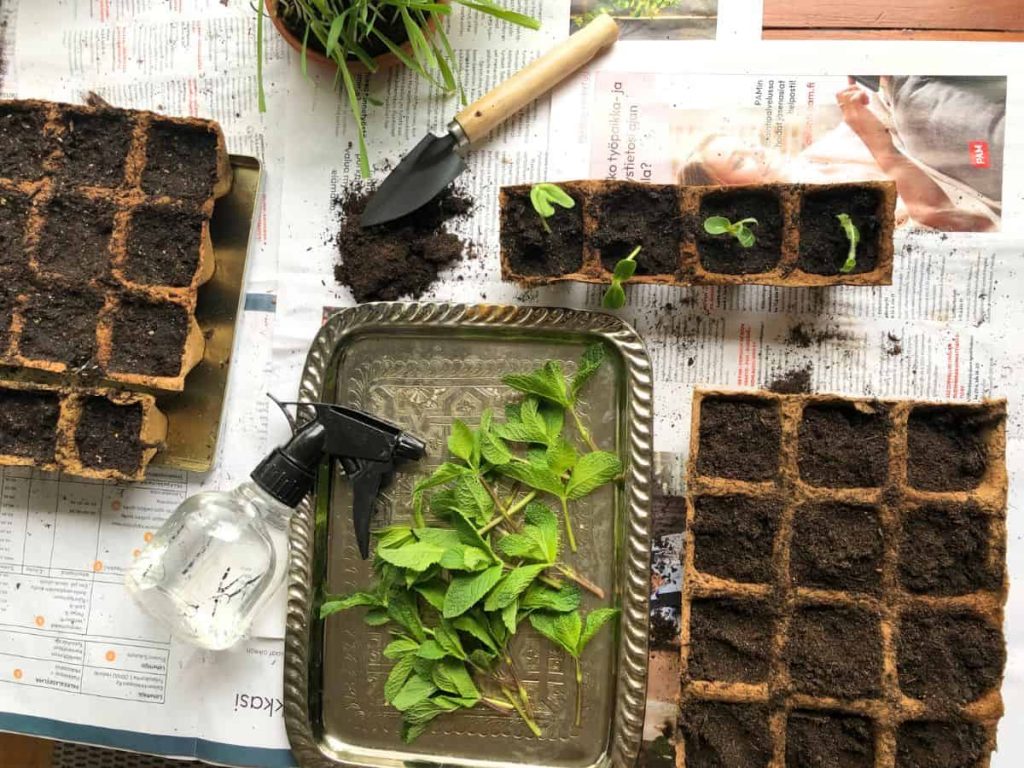
You can use a large pot, a bucket, or even repurpose a cooking pot for your mint cultivation. Mint is a perennial plant, and it might invade large areas if not contained in the garden. Cultivate mint from cuttings or seedlings.
How to Harvest and Dry Mint for Tea
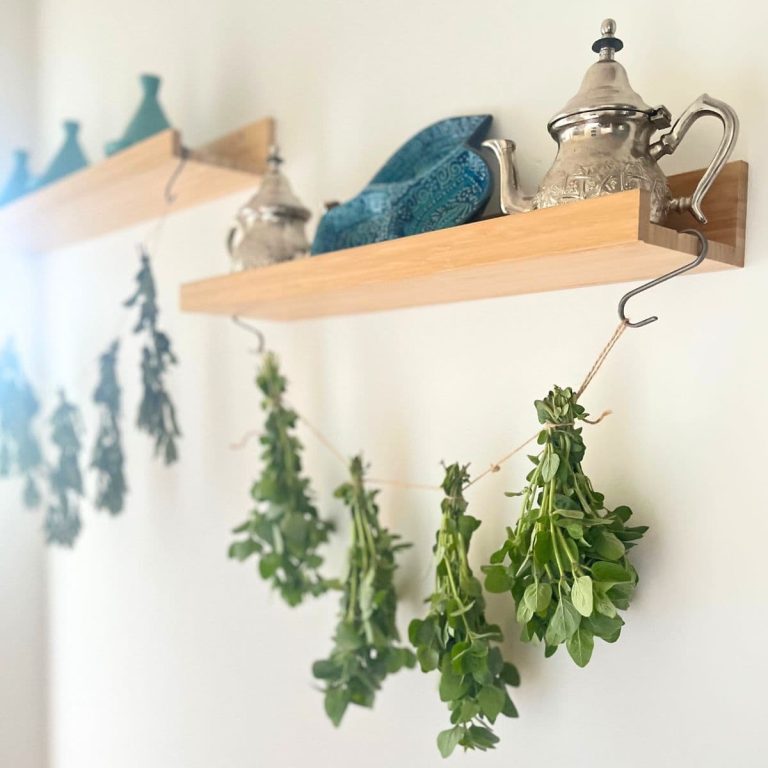
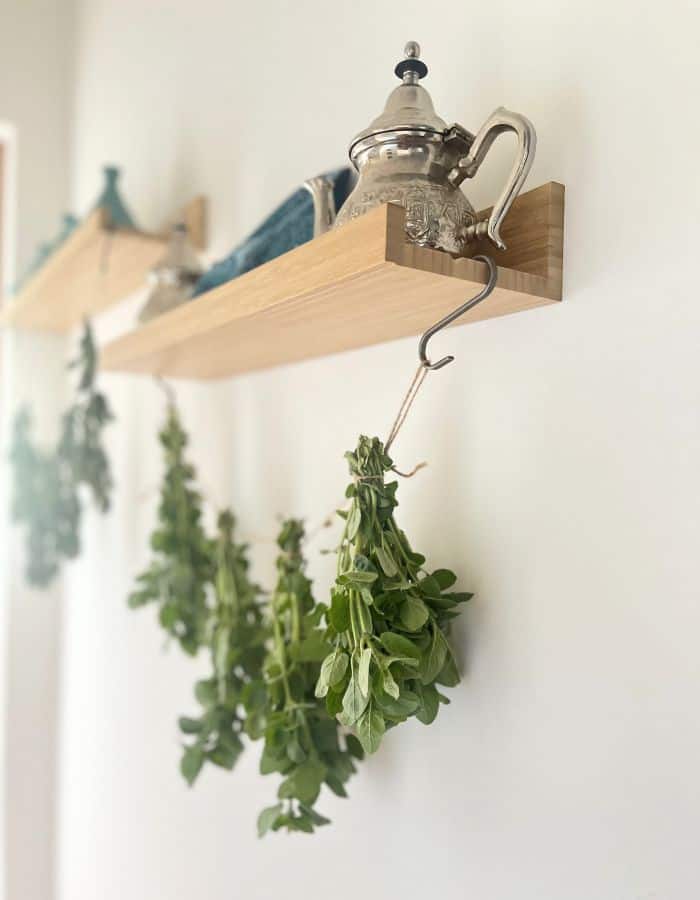
Harvest for tea by clipping the top shoots to keep the plant happily bushy. You can dry the mint for tea as well in a cool, dry place, just make a simple bouquet, tie with jute yarn, and hang in a shady place, like on a kitchen entrance.
| LEARN MORE: Drying Herbs for Tea and Homemade Blends Naturally
Mint Tea Pairings and Recipe Ideas
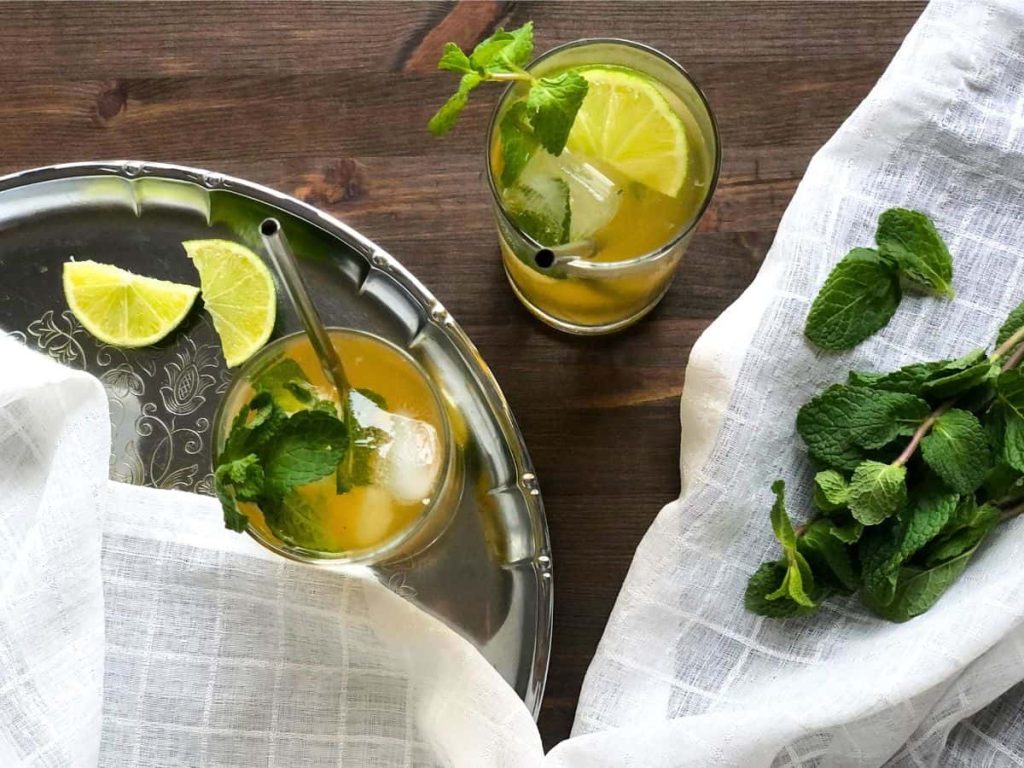
Mint pairs well with green tea, lemon balm, chamomile, and stinging nettle. Try these recipes with mint:
Sage for Calm Moments and Mental Clarity
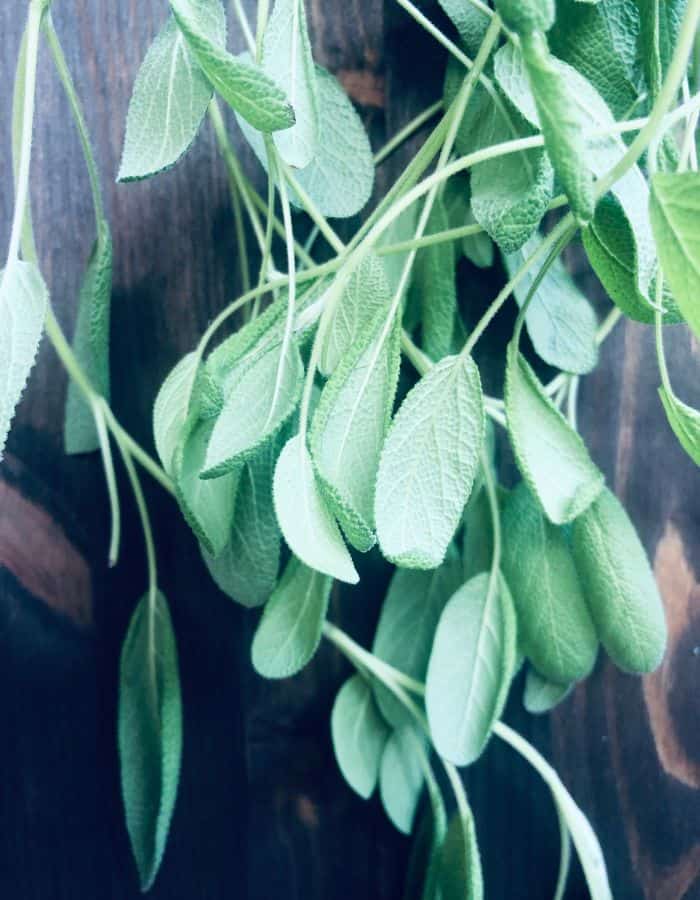
Many people think of sage only as a spice for stews, but it makes a crazy delicious tea too! I can’t remember when and why I tried sage tea for the first time, but we became good friends at the first sip. The soft, silvery leaves of sage bring a comforting texture to the tea garden and almost invite you to brush them gently with your fingertips.
What Sage Tea Tastes Like
Sage tea is earthy, warming, uplifting, and nerve-calming. Sage helps to improve memory, focus, and concentration, and even relieves anxiety. I love to sip sage tea also after a heavier meal to digest better. But to be honest, I would suggest sage tea anytime, anywhere, for anyone to try out.
“Why should a man die whilst sage grows in his garden?”
Medieval proverb
Why Sage Belongs in a Tea Garden
Sage is a low-maintenance plant that survives even when you forget to water regularly. It enjoys its day in a pot that is well-drained. The medicinal name Salvia Officialis comes from the Latin verb salvare, to heal, so you can imagine that it is the number one herb in your tea garden for holistic health.
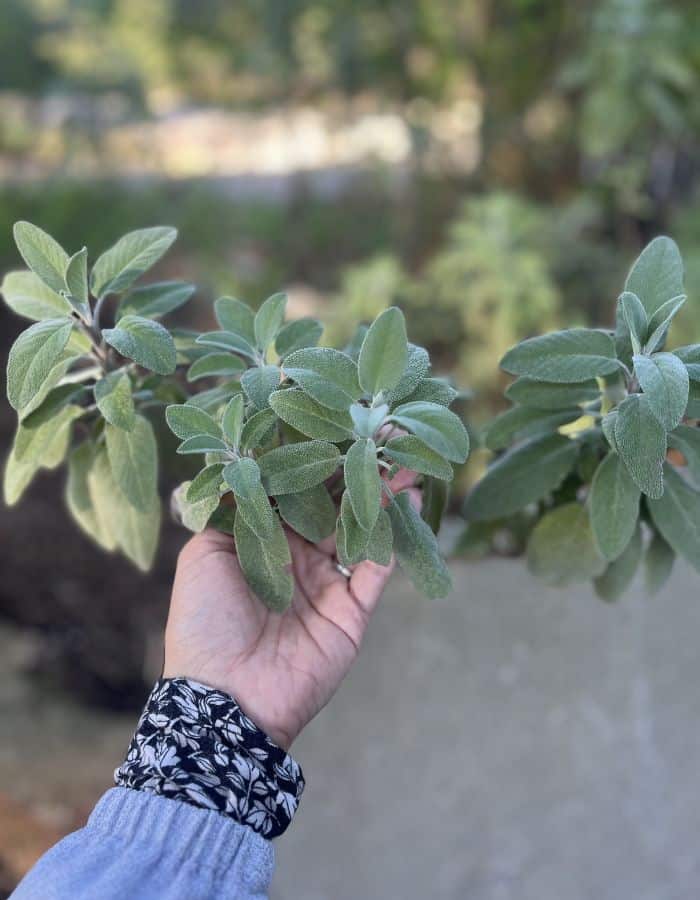
Sage comes in wide, beautiful varieties, including ones with striped leaves that can add a lovely charm to your tea garden.
Short on time?
Pin it for later!
Growing Sage in Pots, Balconies, and Gardens
You can grow sage from seed, cuttings, or seedlings. It thrives in direct sunlight and well-drained soil; it doesn’t like wet roots. Sage is super happy on a sunny terrace or balcony.
Harvesting Sage for Herbal Tea
Harvest leaves of sage before it starts to bloom. When it blooms, you can use the flowers in tea as well. You can harvest throughout the growing season. Dry in small bouquets tied with jute yarn and hung in a row like laundry or on an airy basket, and turn leaves once in a while to help the moisture escape.
Sage Tea Pairings and Simple Ways to Enjoy It
I personally love sage tea most when it is plain but it can be paired with other herbs like rosemary, mint, lavender or lemon balm.
Thyme for Cozy Cups and Cold Season Support
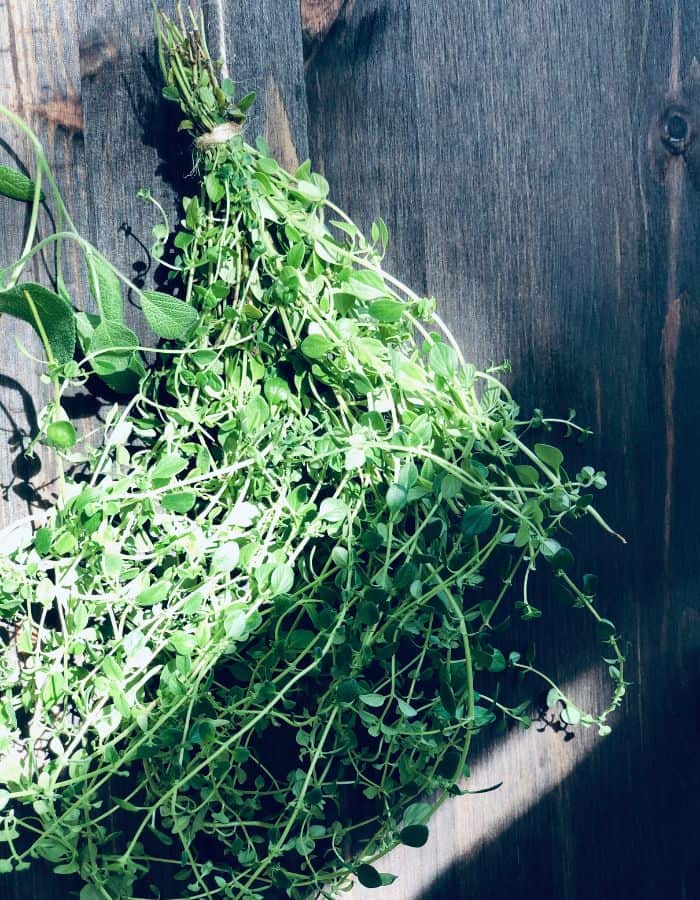
Tiny and beautiful leaves and flowers of thyme are a beauty of a tea garden. This is a surprisingly aromatic herb to steep in a teapot.
What Thyme Tea Tastes Like
Thyme makes a fragrant tea, for it contains plenty of essential oils that are volatile when steeping a tea. It is efficient for cough, and thyme syrup has been used as a cough medicine for two thousand years. Relieve digestion problems or increase appetite with a cup of thyme tea before dinner.
Why Beginners Love Growing Thyme
Thyme has a beautiful scent, and it is a visually appealing herb. It can be easily found even in the supermarket herb aisle. On the side of the regular thyme, there is a fragrant lemon thyme that is a dream in a tea garden, just because of its beautiful aroma.
How to Grow Thyme for Tea
Grow thyme in a sandy, well-drained soil, and it will be happy. It is a perennial herb, but it does not survive a heavy winter in the North without help. You can grow thyme from seeds or cuttings.
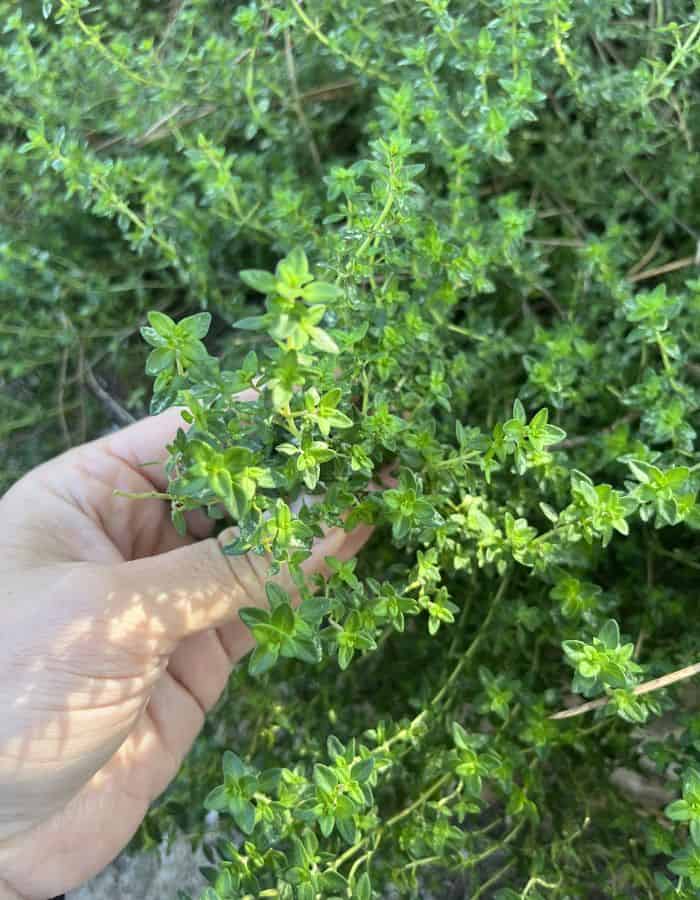
Harvesting Thyme for Fresh or Dried Tea
Harvest thyme throughout the growing season. You can use both leaves and the beautiful flowers. Trim regularly, and your thyme grows bushier and happier! You can freeze or dry the sprigs for later use.
Thyme Tea Pairings and Serving Ideas
Thyme is perfect to pair with lemon. I actually first tried thyme tea years ago when working in a fine dining restaurant as a headwaiter, and one customer asked if I could make it for him. He advised adding a bouquet of thyme and a few slices of lemon into the teapot, and well, I have been drinking it since then with joy. Sweeten with honey if needed.
Lemon Balm for Brighter and Calmer Days
Slightly lemony and refreshing lemon balm is widely used in soaps and cleaning products because of its adorable scent. Just having lemon balm on a windowsill or a balcony makes you happy and lighthearted!
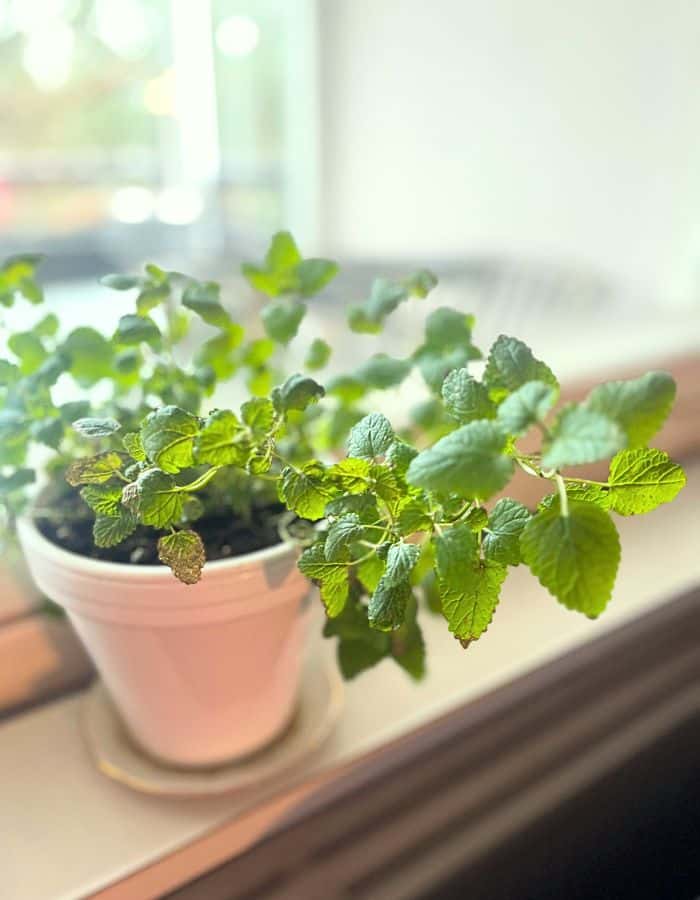
What Lemon Balm Tea Tastes Like
Uplifting, relaxing, reinforcing the nervous system… Lemon balm sounds like a dream herb, and it kind of is! It lightens the mood when you feel heavy-hearted or stressed. It supports in sorrow or even in burnout. I love making lemon iced tea when I have been writing for too long time and I need a refreshed brain and focus for the rest of the day.
Why Lemon Balm Is So Beginner-Friendly
As a herb, lemon balm is very patient even with a sloppier gardener, but it hates wet roots. Lemon balm is a perennial herb. It has this amazing scent when you just pass by that both relaxes and uplifts your mood. The flavour of lemon balm is familiar to many, and it is very approachable in beverages.
Growing Lemon Balm in Containers and Small Spaces
You can make lemon balm happy in slightly sandy, well-drained soil and indirect sunlight. Lemon balm enjoys pot planting; it self-sows and spreads by the roots easily.
Harvesting and Storing Lemon Balm
Cut down a few times during the growing season to refresh the growth, then you can easily make plenty of lemon balm tea and iced tea, or freeze it in the freezer. When dried lemon blam loses its scent and flavor easily within about half a year.
Lemon Balm Tea Pairings and Recipe Ideas
Pair up lemon balm with camomile for a relaxing evening tea and with sage or rosemary for concentration. Try my cold-brewed lemon balm iced tea recipe for an uplifting and refreshing beverage.

Oregano for Grounding and Digestive Support
One of my late favourites is oregano. Yes, we all love it on a good homemade pizza crust, but in tea it has so many advantages that I feel I’m discovering new ones daily!
What Oregano Tea Tastes Like
Oregano makes soft, warm, aromatic, and slightly bitter tea, with hints of citrus. My Moroccan mother-in-law offers it for any digestive problem. It is used to support liver and blood circulation and to relieve mild depression or restlessness.
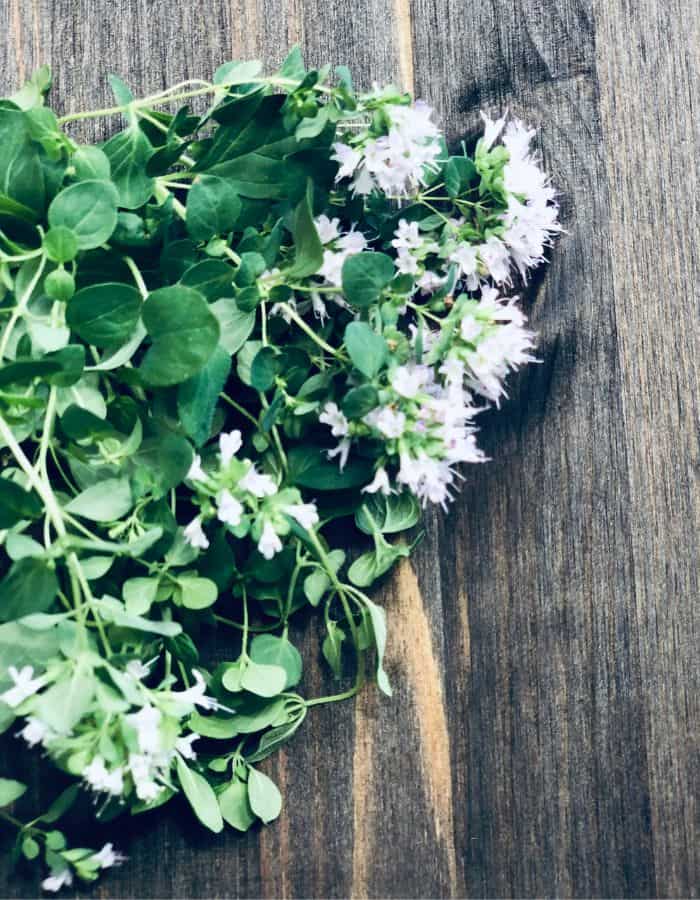
Why Oregano Is an Underrated Tea Herb
Oregano is a perennial herb with a big hug. It is the herb that supports your heavy moments. If you have sleeping problems, mood swings, hormonal imbalance, menstrual pain, you name it, oregano is your friend. You can reach for the spice cabinet or the fresh herb growing on a windowsill in the kitchen to make a calming tea.
Growing Oregano in Pots and Tea Gardens
The tiny, soft leaves of oregano are a joy for the eye in any tea garden. You can grow oregano from seed, cuttings, or seedlings. Oregano feels content in a pot on a balcony, terrace, or garden in a warm place. It survives over winter in the garden, even here in the North, if it is enjoying its place!
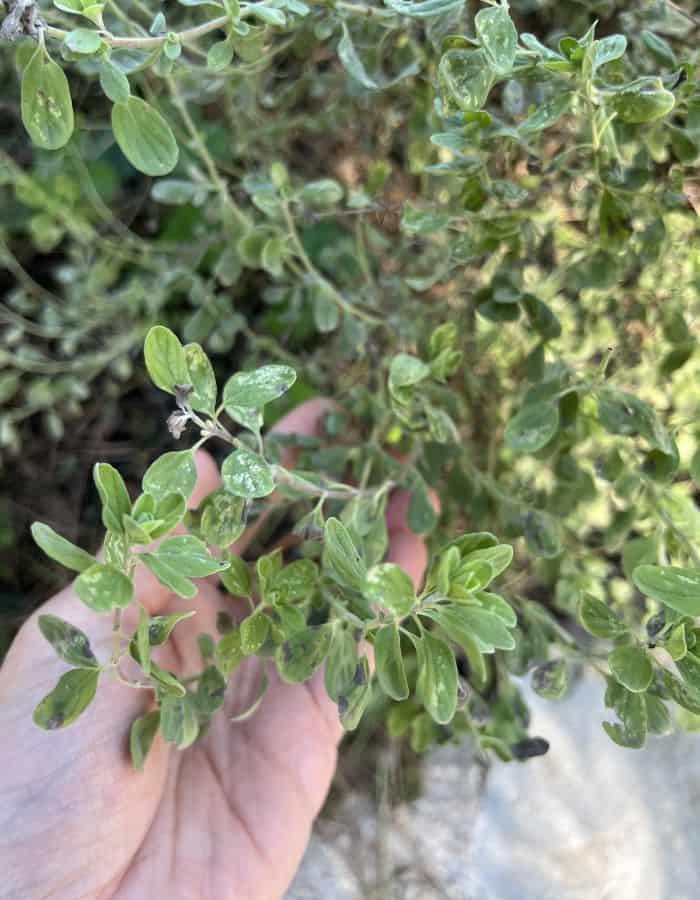
Harvesting Oregano for Tea
You can use both leaves and flowers for the tea and cooking. Dry oregano by hanging a bouquet in a dry, cool, and shady place at home, and it will preserve its flavour well.
Oregano Tea Pairings and Herbal Blends
Drink oregano tea plain or mix with camomile or stinging nettle for stress relief.
Short on time?
Pin it for later!
Begin Your Tea Garden with One Herb You Already Love
By starting with one herb that you feel familiar and comfortable with and that you already use in cooking, you can easily start testing with herbal teas. Your tea garden doesn’t have to be big or perfect; it needs to fit into the season of life you are in, and it can grow with you.
Sources Used for this Article
For this article I have used these sources to support my own knowledge about herbs:
- Lisen Sundgren – Viol, Sömntuta och andra lungnande örter
- Johanna Vireaho & Annabelle Antas – Yrttielämää
- Rosemary Gladstar’s Medicinal Herbs: A Beginners Guide