7 Herbs for Good Sleep (and When to Choose Each Herbal Tea)

For a balanced natural lifestyle, we all sometimes need a little extra support for a good night’s sleep. Steeping a teapot of herbal tea for sleep and relaxation creates a peaceful moment to unwind. Choosing the right herbs for your evening infusion can help you settle down, ease the stresses of the day, and prepare for a restful night.
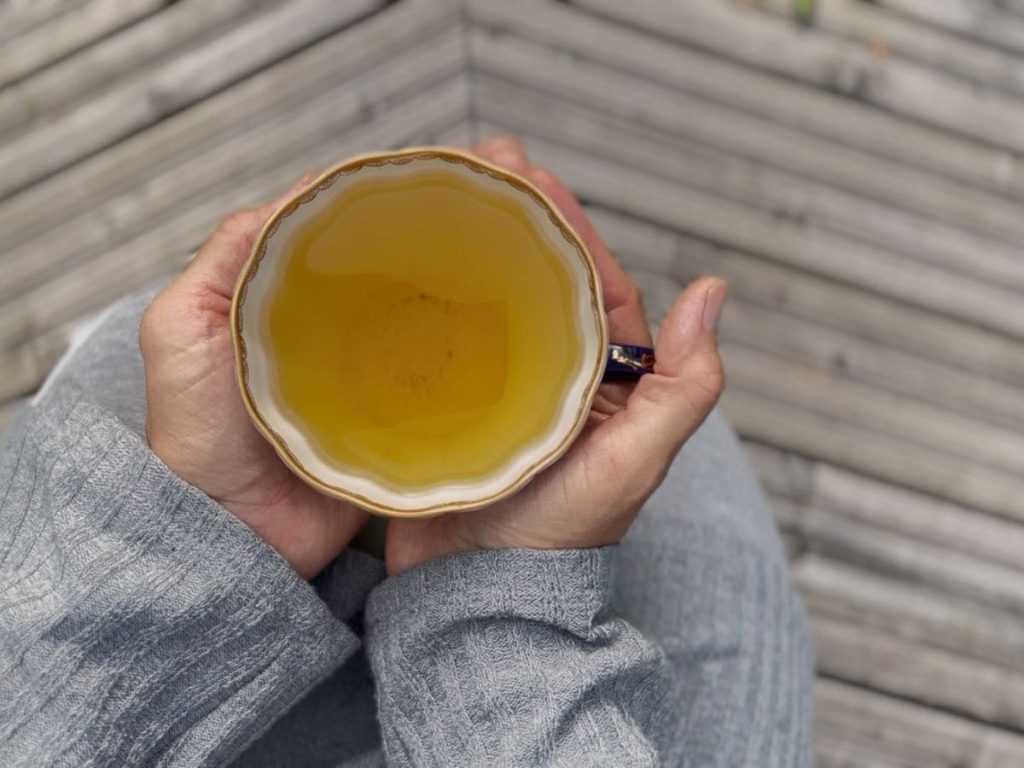
For informational purposes only. If you experience ongoing insomnia or significant sleep difficulties, please consult a medical professional.
Why drink herbal tea before bed?
Herbs have a magical power to support us in balancing our lives, but not every herb works the same way. If choosing an energizing herb or even loose leaf tea with theine, caffeine in tea, can mess up the evening and the whole night.
READ MORE: Low Caffeine Tea: Which Teas Have The Least Caffeine?
Some herbal teas are enjoyed traditionally to support restful sleep, while others may help you relax or unwind after a busy day. Not just the herb itself, but also the moment of steeping tea and the feeling of a warm cup in your hands can create a calmer evening and ease the path to sleep.
Short on time?
Pin it for later!
Sometimes it is hard to know what herb to choose to steep in the teapot, so I want to introduce you to these 7 (plus one extra herb) that you can pick depending on whether you want to feel more sleepy, more relaxed, or to unwind from stress.
At the end of this article, I have a quick herbal tea steeping guide to perfect your cup, or you can dive deeper with a more comprehensive article about How to brew herbal tea.
RELATED: Tea, tisane, herbal tea, decoction: What’s the difference?
Nowadays, there are plenty of delicious sleep tea blends that you can buy, but you can make your own homemade blends also simply using the following herbs to promote sleep.
Sleep-supporting herbs
These herbs have a long tradition of being enjoyed before bedtime and are among the most popular choices for an evening herbal infusion. Choose chamomile, passion flower, or valerian root for your evening tea blend if you are looking for support to help you settle into sleep.
Chamomile
Chamomile (Chamomilla officinalis) is naturally calming and one of the most common bedtime companions that many reach for even without any knowledge or interest in herbalism. it can be easily found in any grocery store as loose herbal tea or tea bags throughout the world.
If you don’t have chamomile growing in your tea garden, I recommend buying organic chamomile to avoid any harmful pesticides.
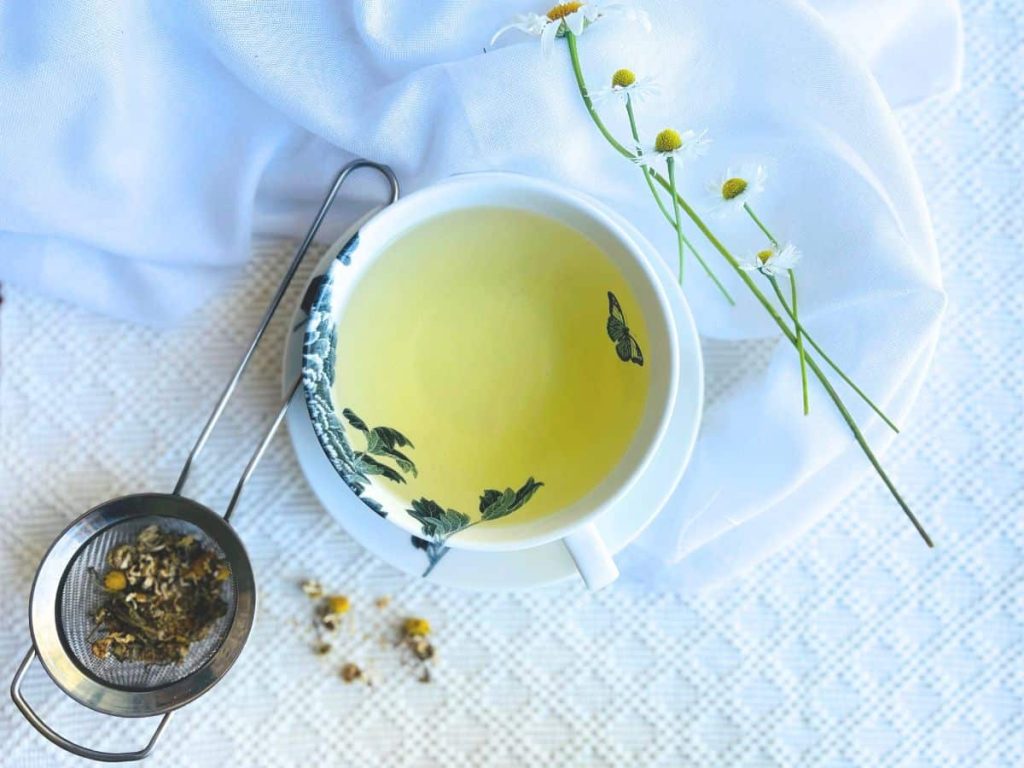
Steep chamomile tea when…
Steep chamomile as it’s own or blend it into a soothing sleep tea and sip slowly for calming evening vibes.
How the steep calming chamomile tea
- 1 tbsp dried chamomile flowers
- 250 ml (1 cup) hot water
Steep for 5-8 minutes, enjoy hot or warm.
Short on time?
Pin it for later!
Passion flower
Visually intriguing passionflower (Passiflora incarnata) is not just beautiful to look at, but also an efficient sleep-time friend. Passionflower, also known as May Pop, is used medically for sleep disorders and temporary insomnia, and it supports us in the moment of stress and in a fragile mood. It is a perfect allay for restlessness and, according to one of my favourite herbalists, Henriette Kress, “it gives sleep to those who are laboring under the effects of mental worry or from mental overwork”.
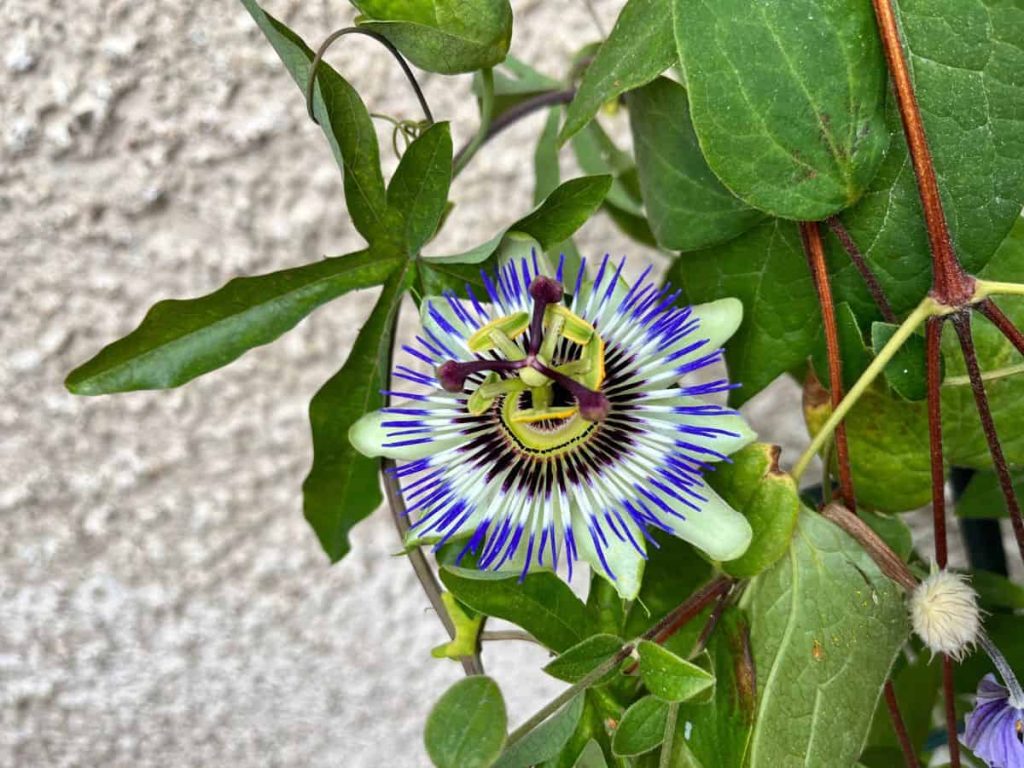
Steep passionflower tea when…
So choose passionflower herbal tea, especially during mentally challenging seasons, to support your sleep. Combine passion flower with other soothing and sleep-promoting herbs in the Herbal Headache Tea Blend recipe of Herbal Academy to fall asleep faster.
Valerian root
Valerian root (Valeriana officinalis) or Great wild valerian is known for its sedative and soothing properties that promote sleep when correctly dosed. Commonly, valerian root is used as a tincture, and it is an effective medicinal herb, but with too large doses, it will backfire and cause headaches, restlessness, or even visual illusions.
It has a distinctive earthy aroma, and valerian root is at its best in tea blends, when the dose will naturally be smaller and milder.
Steep valerian root tea when…
Make valerian root tea occasionally to feel more drowsy, and sip it freshly brewed 30 minutes to 2 hours before bedtime.
Worth Knowing: Hops
Hops are often associated with brewing beer, but the dried hop cones have also been traditionally enjoyed in evening herbal teas. Their bitter and aromatic flavor isn’t for everyone, so they’re commonly blended with herbs like chamomile, lemon balm or valerian rather than steeped on their own.
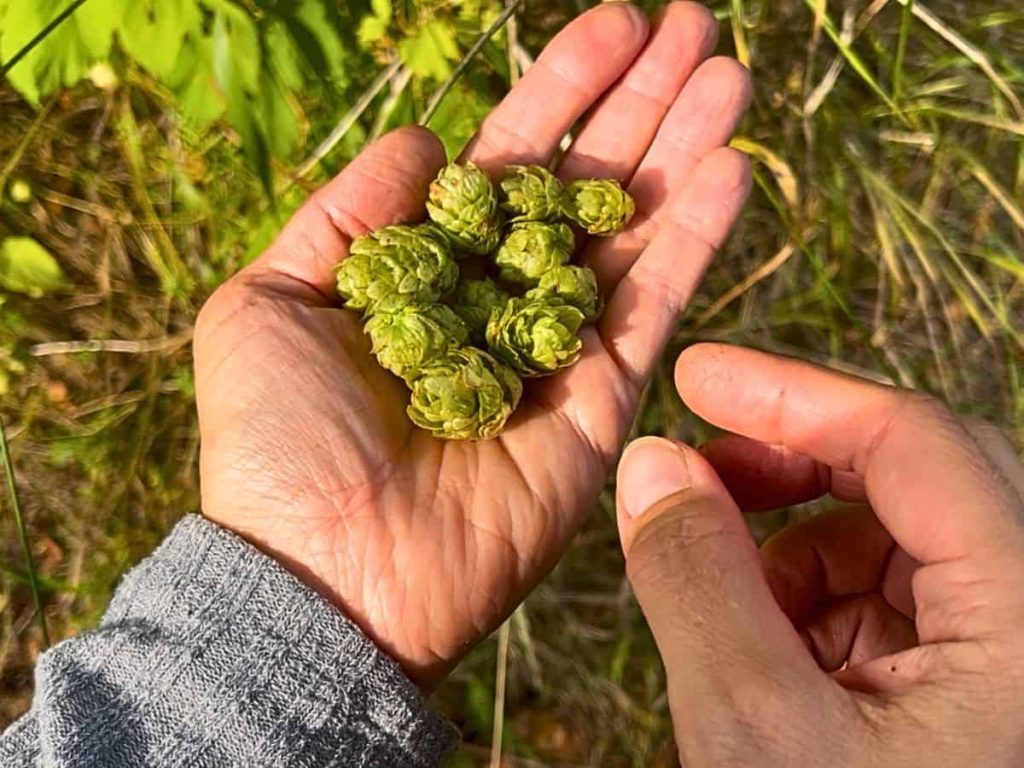
How to make hops tea (video)
Relaxing herbs
These herbs are less about making you sleepy and more about helping you leave the day behind. Lemon balm erases the worries and lavender calms us down; they help us to unwind after a hectic day.
Lemon balm
Lemon balm (melissa officialis) is truly one of my favourites, and it is one of the herbs that I suggest for a beginner herbalist’s tea garden, for it is a joy for all the senses. The bright lemony scent and flavour of lemon balm are uplifting, and the herb has a beautiful way of erasing worries and calming us when the heart feels heavy. The bright leaved lemon balm is medicinally used for mild symptoms of stress and as a sleeping aid.
Steep lemon balm when…
Brewing a cup of lemon balm infusion is a simple cure for restlessness and mild anxiety.
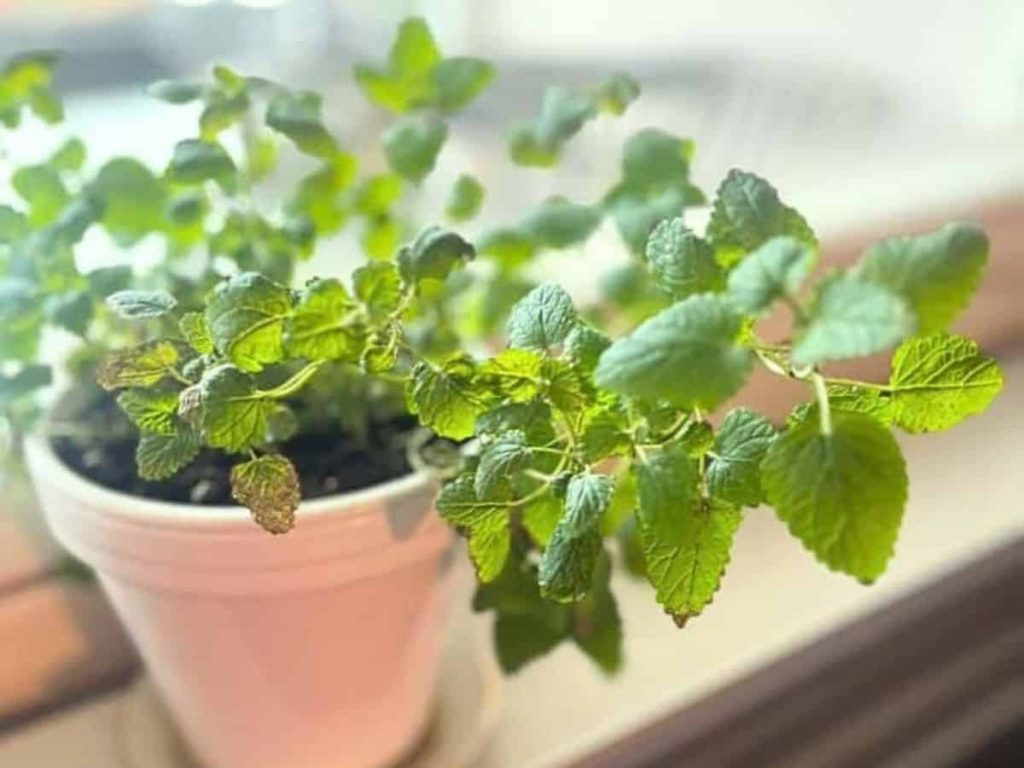
Relaxing lemon balm infusion
- 3 tsp fresh or 2 tsp dried lemon balm leaves
- 250 ml water (1 cup)
Let it steep covered with a lid for 15-30 minutes. Sip while still warm.
For a calm and good-mood evening chill make uplifting lemon balm iced tea with white tea, which is a low caffeine tea. For a hot tea blend steep some calming tea with lemon balm recipe by Herbal Academy.
Lemonbalm iced tea with white tea recipe (video)
Lavender
Relaxing lavender is a versatile herb for herbal tea blends and moon milks. It is my sleep-time favourite and one of the nine best flowers for homemade floral teas that I recommend.
To make my tiny daughter’s sleep time easier, I love to sew a tiny fragrant sleep time pillow or sachet and fill it with lavender – and for sure it is good for us adults as well! The flowers of lavender have a fragrant and floral scent, and even a small amount goes a long way.
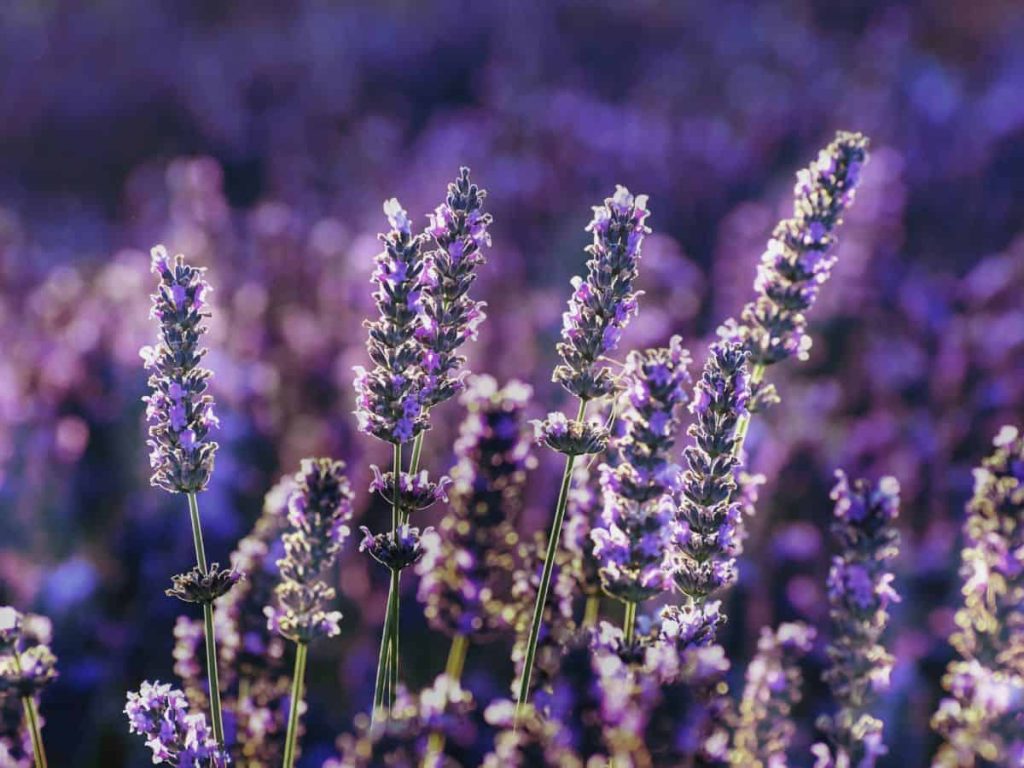
Lavender is effective for both restlessness and sleeplessness. It is even used for muscle tension, to relieve nerves, headache, fatigue, and mild depression. (Source.)
Steep lavender tea when…
When you want a relaxing evening with a delightful floral scent to unwind. Enjoy lavender also in a floral tea blend.
Steep relaxing lavender tea
- 1 tsp dried or fresh lavender flowers
- 250ml (1 cup) hot water
Steep for 5-8 minutes, enjoy with your claming tea time ritual.
Stress-balancing herbs
These herbs aren’t usually chosen because they make you sleepy. Instead, holy basil and oat straw are traditionally enjoyed to help you feel more balanced, making it easier to settle into the evening.
Tulsi (Holy basil)
Holy basil, also known as tulsi (Ocimum sanctum), is a herb that helps you balance during a stressful time. It can be used in several ways for holistic health, a healing herbal tea being one of them.
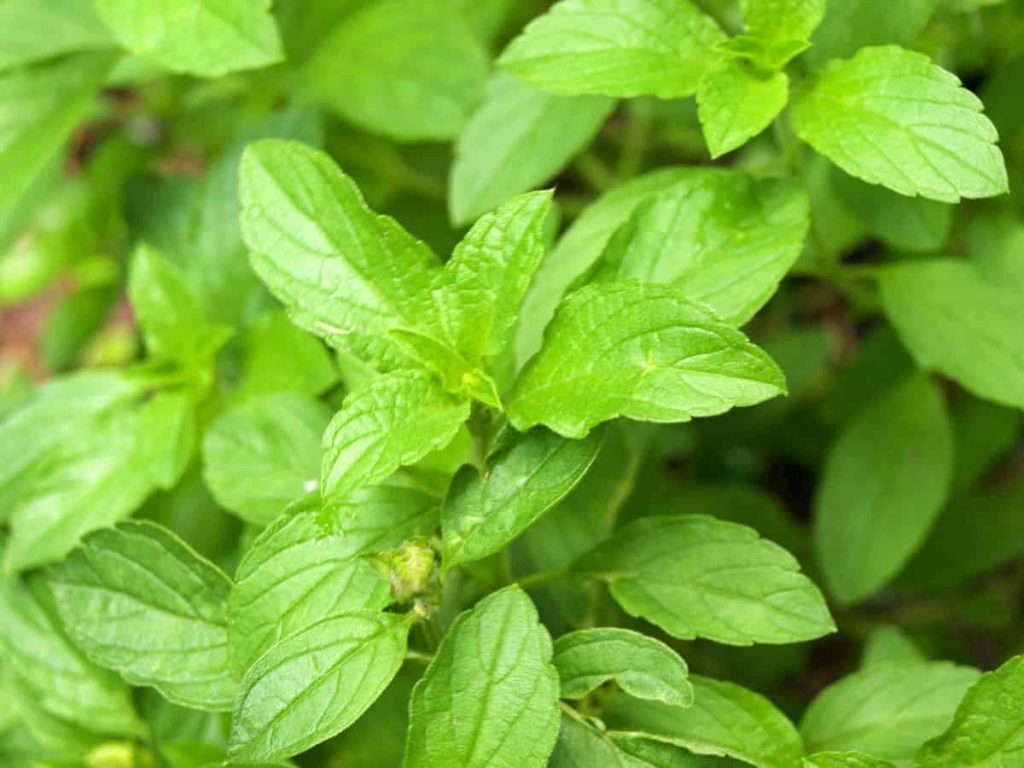
Tulsi tea has a herbal and slightly spicy flavour and can be sipped daily, to support the natural balance and resilience.
Steep tulsi tea when…
You want to support your overall health and keep your balance to support your sleep time holistically. Try Healing Tulsi Tea by Kelly Mulclair from Inspired by Edibles.
Oat straw
When talking about herbal teas, oat straw (Avena sativa) is not the first that comes to mind. It has a mild, fresh, and grassy flavour, and it is a nourishing herbal infusion that can be enjoyed daily.
Oat straw relaxes deeply and calms the nervous system from a jumpy mind into a more balanced state. Herbalist Henriette Kress suggests using oats also when in grief or when you feel helplessly frustrated.

Steep oat straw when…
When you feel stressed, on the edge, and dysregulated, prepare some Nerve tea with oat straw to feel more collected and calm.
How to brew herbal tea for sleep and relaxation
For steeping herbal tea measure 1-2 teaspoons of dried leaves or a handful of fresh ones to 25ml (1 cup) of water. Use an infuser basket or place herbs directly into a teapot, and let it steep covered for 5 to 8 minutes. Enjoy your bedtime tea warm from your favourite tea mug or glass.
Create a calming bedtime tea ritual
Tie a simple routine around steeping a cup of relaxing evening tea. Keep the routine simple, gentle, and calm to tune into the relaxing evening. Here is my evening tea routine suggestion, but feel free modify it to feel as comfortable and calm as possible.
Dress in a cozy nightgown and cut fresh herbs from your tea garden, balcony, or windowsill. Smell the leaves silently and inhale the uplifting and relaxing scent of your herbs.
Set the kettle with water on the stove and bring it to a boil.
Open the lid carefully and let the steam come out of the pot, swirling up into the air. Add the leaves to the teapot and close the lid.
Let your herbal tea steep. While the tea is steeping, choose the cup that fits perfectly into your hand. Set it on a beautiful tray that you like, with a teapot coaster, and place your teapot on it.
Choose a cozy place that has a dim light and set your tray next to you, so that you can effortlessly refill your cup.
Pour the tea with a long, calm pour.
Watch the steam rise from your teacup and let it warm your hands.
Take a sip. Let the scent and taste of the tea fill you gently and bring you to a relaxed feeling. Enjoy the deep dive into the coziness.
Sit still or read a book or something else you prefer, and yes, analog is the best. Fill your cup to keep your tea warm. Enjoy the moment and let it guide you.
Which bedtime herb will you choose tonight?
Start with the herbs you already have or know, such as chamomile, lavender, and lemon balm. They are not fussy and easier to find in almost any kind of grocery store. If you are interested in the caffeine in tea, aka theine, I recommend checking out my Natural energy in tea and coffee article and diving deeper into Low-caffeine teas to find out the actual caffeine content of each tea, to choose the best loose-leaf teas and times for your day’s rhythm.