

3 Natural Systems to Balance Your Energy Naturally

When you lean into a natural lifestyle, you begin to notice the natural rhythms of your energy. Instead of always needing to create more energy, boost it unnaturally, and push through, align your life with your energy and feel more balanced. First, pay attention to how your energy flows throughout the day, cycle, or season, and organize your life around it. Then use natural ways to support that flow – not to fight against it or fake it, but to stay aligned.
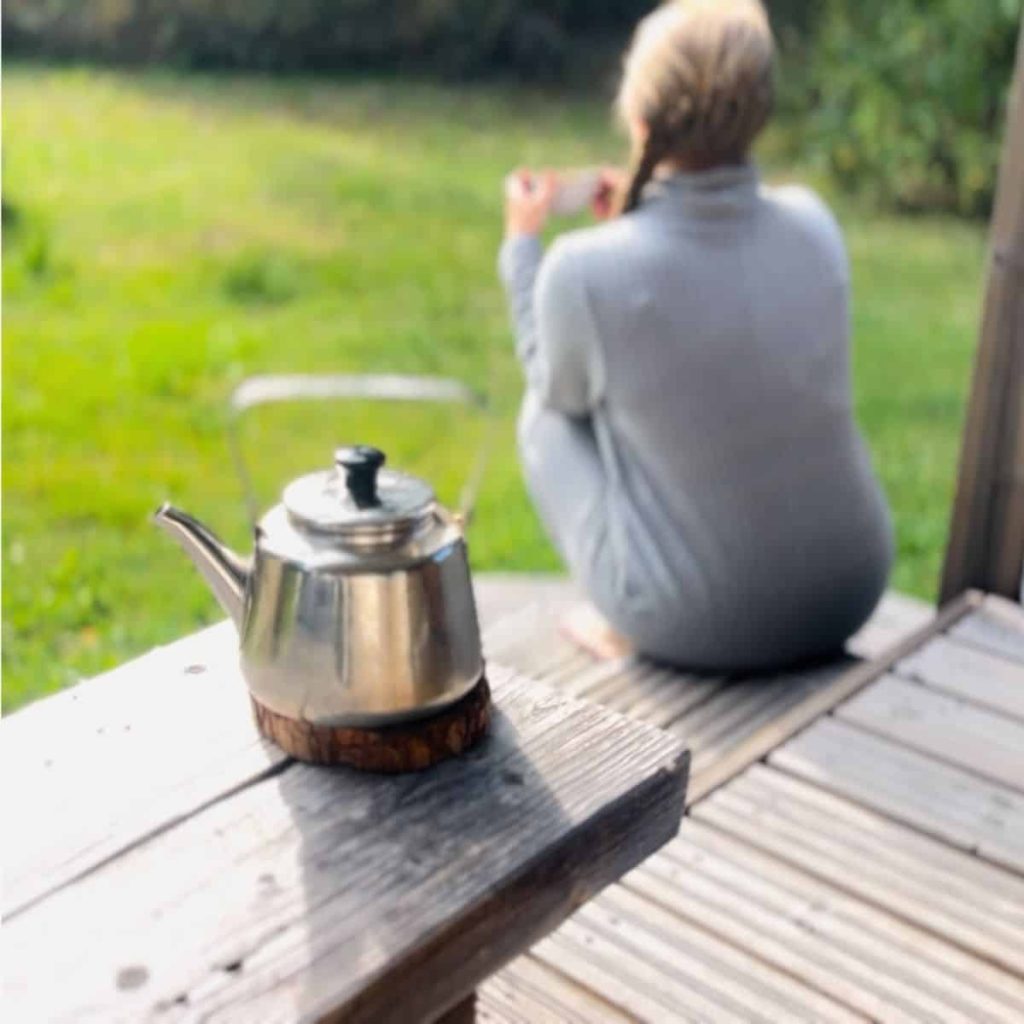
Your energy was never meant to be constant
In the modern world, with high demand, we think that we can produce more energy and treat it like an endless resource. So when the energy drops or you feel drowsy during the day, the instinct is often: Should I drink another espresso? If I just push through this one, then I’ll rest in the evening. If I work faster, I’ll get it done before X.
What if the answer isn’t more energy?
What if we became better at working with the energy we already have?
I started to wonder about my own energy use when I had a years-of-pushing-harder mindset telling me to still wash the dishes before resting, or maybe if I still squeezed in one more email before going to sleep to get ahead, and I saw my Moroccan husband taking it easy and resting. I thought, how could he rest when there are so many things to do? But when he was well rested, he made dinner in half an hour with low effort and without burning out like I was.
So doing more is actually not the key. Aligning your lifestyle, tasks, workouts – anything – with your energy is.
Three natural rhythms to align your life and energy with
There are three natural rhythms worth paying attention to: your day, your cycle, and the seasons
Daily rhythm
Energy rises and falls throughout the day. It flows, dips, and spikes during the day.
Cyclical rhythm
For menstruating women, the cycle can influence energy and capacity. Energy might flow strongly during ovulation and change completely when bleeding.
Seasonal rhythm
Daylight, weather, and the natural world around us change throughout the year — and our own energy can respond to those natural changes. Living seasonally helps you notice and work with that rhythm
The goal isn’t to perfectly optimize every fluctuation. With a natural lifestyle, you start to listen to your energy that already exists, you move to aligning your life with it, and learn to support it in the natural ways when needed.
Short on time?
Pin it for later!
Your daily rhythm: work with your energy, not against it
Your energy changes throughout the day. Some people are early birds, others have their best moments later. So if someone else’s “perfect morning routine” doesn’t fit with your ideal rhythm, it is just not meant for you. You don’t necessarily have the same energy (mental or physical) at 7 AM, 1 PM, and 8 PM.
Begin by noticing:
- When can I concentrate?
- When do I naturally want to socialize?
- When does my energy begin to dip?
For example, I am one of those annoying 5 AM people, and I know it. I love writing and creating in the early morning hours. Like now, when writing this one, it is 5:36. If I start to write after midday, the same thing would take me three times more than in the morning. Because of the lack of creative energy.
On the contrary, my sister is a night owl. Se sleeps late and thrives later during the day. She can stay creative for hours and hours past my regular bedtime.
For you to find your energy to get things done, the point is not always just to “wake up earlier”. It is more important to learn to know your own rhythm and work with it.
The “3 Days in 1” method
This simple method to divide your day into three parts was introduced to me by Sina Port a few years ago. Though she highlights the “3 Days in 1” method as the secret way to get things more done, it is one simple way to divide your day into slots when you feel more energized to do certain things.
Morning: Your first high-energy window
Use your first high-energy window for creative, demanding, focused work. This might be morning for you, but if you’re a night owl, your high-energy window may come later. So do the things that are for you. This could be writing (like for me), advancing your project, or any creative task you feel drawn to.
Midday: When focus may dip
Practical, administrative, and social tasks are for the midday time when the focus is no longer there. Turn to things that you don’t need your best focus on detail or creativity: things you can do with autopilot (lunch, laundry…), or things like socializing with people you love.
Evening: A natural transition toward rest
Slower activities, learning, and winding down are for the evening. We have one hour dedicated to reading time with our family before shutting down the lights every evening. This often involves a cup of sleep-supporting tea, sometimes calm music, and dimmer lights.
Map your own daily rhythm
I have talked about this daily rhythm before and laid out the example of my day routine that I had as a homemaker with a tiny child in my article about creating a homemaking schedule using routines and habits. You can download the free workbook and weekly plan to start sketching out your day.
Track for one or two weeks first to find out your energy shifts in the plan, and then decide what your “morning”, “midday”, and “evening” times actually are. With the workbook comes a few questions that might help you to trace the style of daily and weekly rhythm you actually want to create.
You may not need to squeeze more energy out of every hour. You just need to stop expecting every hour to give you the same kind of energy and work with that knowledge to create your personal daily rhythm.
| LEARN MORE: How to Plan Your Week Around Your Natural Energy
Use tea rituals to support the rhythm
Tea and herbs can help you to balance your energy with the daily rhythms of steeping some tea or whipping up an iced tea. Tea contains caffeine, too, so it can be one way to support your energy earlier in the day. Closer to evening, switch to low-caffeine teas and herbal teas:
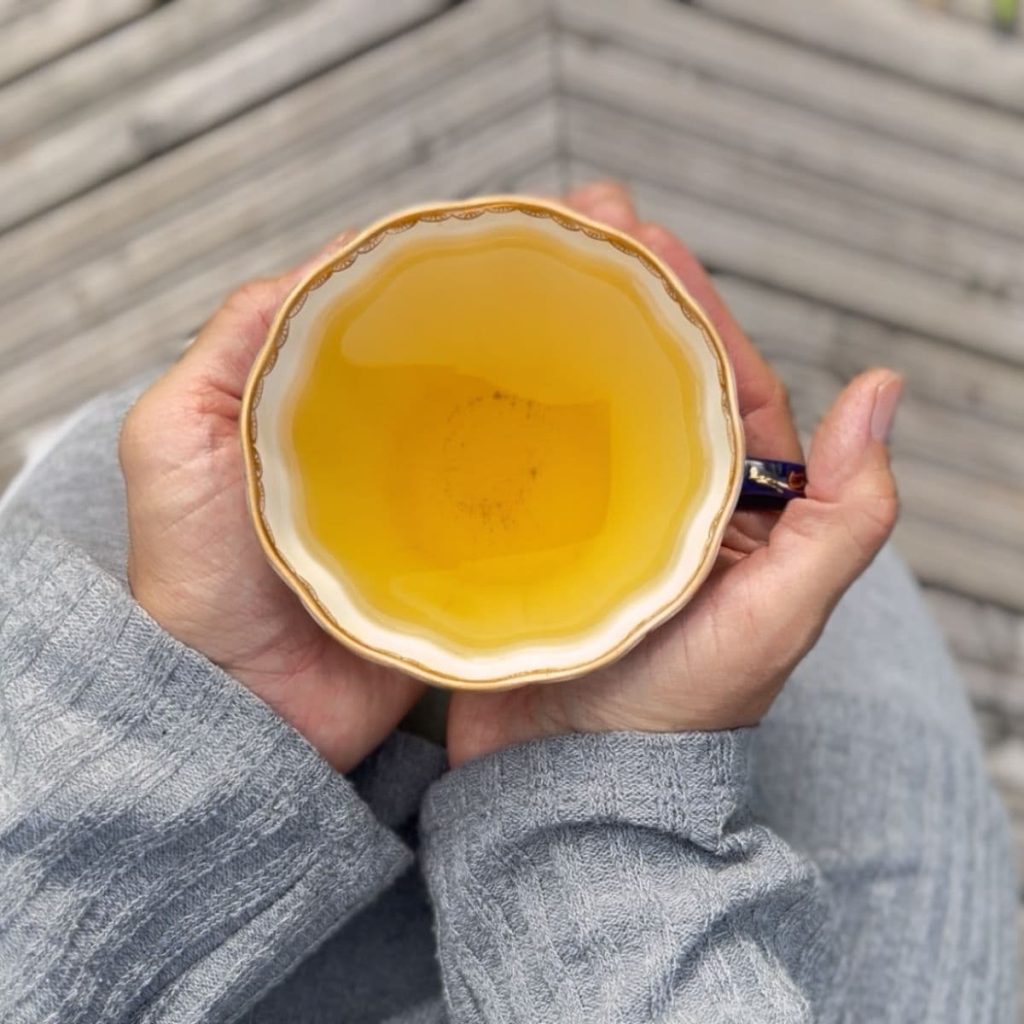
Morning: A gently energizing vanilla matcha latte can mark the beginning of the day.
Midday: Steep some Moroccan mint tea with the caffeine from green tea and fresh mint for a refreshing afternoon ritual
Evening: Herbal tea can become part of a caffeine-free evening ritual. Try out the different sleep time herbs to support winding down with a good book.
LEARN MORE: Theine vs. caffeine: natural energy in tea and coffee
Your monthly rhythm: Listen to your cycle
Your energy doesn’t reset every morning. Women have a body rhythm that extends beyond a single day: the menstrual cycle, which averages around 28 days but can vary considerably. Throughout the cycle, the hormonal changes can influence energy, appetite, mood, focus, and how you experience activity — but not every woman experiences the same pattern.
Think of your cycle as seasons
Cycle syncing is one way to become more aware of these changes and adjust your routines accordingly. You may find it helpful to think of the four phases of the cycle as seasons of the year:
- Menstruation → winter
- Follicular phase → spring
- Ovulation → summer
- Luteal phase → autumn
This can be a useful reflection tool, but it is a metaphor rather than a scientifically established schedule, according to Cassandra Wilder.
Notice before you optimize
You don’t need to organize your life around a cycle chart. Notice your own pattern before trying to optimize it.Research on exercise, for example, finds that differences between menstrual phases are generally small and highly individual, so there isn’t one workout every woman should do in each phase. Instead, notice when you feel more energetic, need more recovery, feel hungrier, or find your usual workload heavier, as Dr Alyssa Olenick suggests in the Make Fit Simple podcast about What you need to know about Cycle Syncing.
Remember to think in months, not just days. Your energy shifts, so don’t judge your whole month by one low-energy day. Learn your own rhythm. Track your energy and symptoms for a few months and let your experience guide you rather than an online chart.
DIVE DEEPER: Radhi Devlukia: Cycle Syncing 101
Sometimes balance means doing less
If your energy is lower, dropping or postponing one task may support you more than finding another energy booster. Be gentle with yourself and make your day lighter when needed, and support your energy with a good rest. Learning your patterns can help you work with yourself instead of judging yourself for not doing more.
Your seasonal rhythm: Follow the energy of the year
Nature doesn’t have one speed. The art of living seasonally hides in recognising the season and noticing your energy. You don’t need to have the same energy — or the same lifestyle — in every season.
- Spring: awakening, beginning, growth
- Summer: abundance, activity, outward energy
- Autumn: gathering, transition, preparation
- Winter: quiet, restoration, reflection

Notice the light
Daylight changes dramatically throughout the year, along with our surroundings, routines, and opportunities to be outdoors. Instead of expecting the same productivity year-round, notice how your own energy responds to the changing environment.
Let your activities follow the season
You don’t need a ready-made seasonal lifestyle plan. Simply notice the weather changing from season to season and ask: What does this season naturally invite me to do — and can I make a little more room for it?

Maybe that means getting more outside and starting fresh in spring, making the most of long summer days, returning to routines and diving into new DIY’s in autumn, or slowing down and restoring in winter.
Seasonal bucket lists for your inspiration
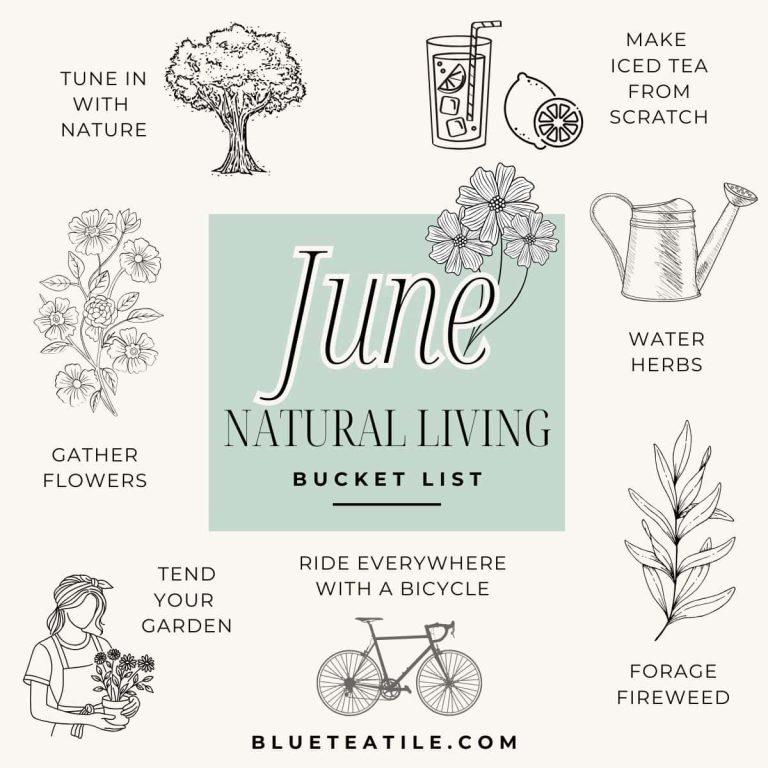
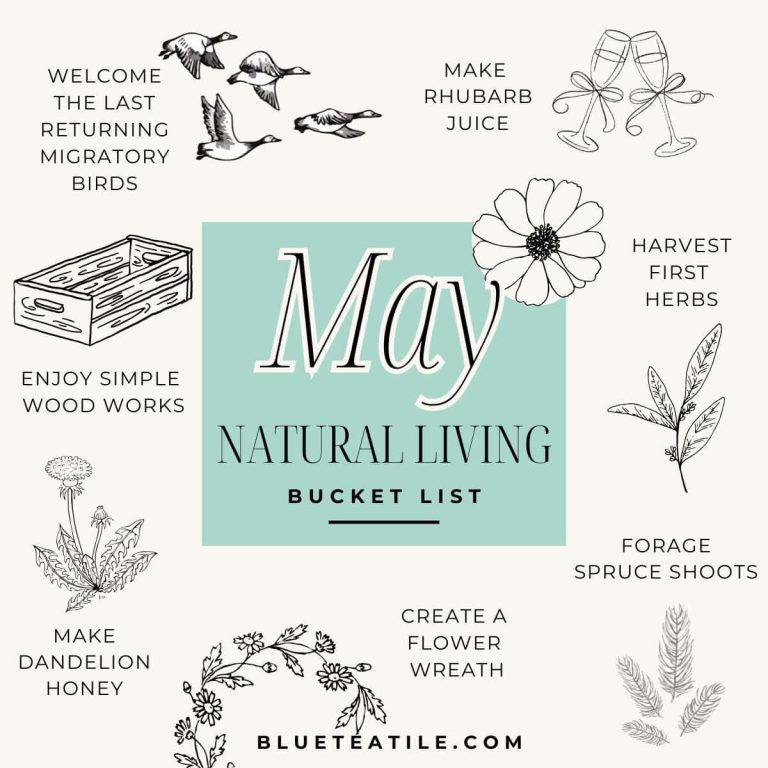
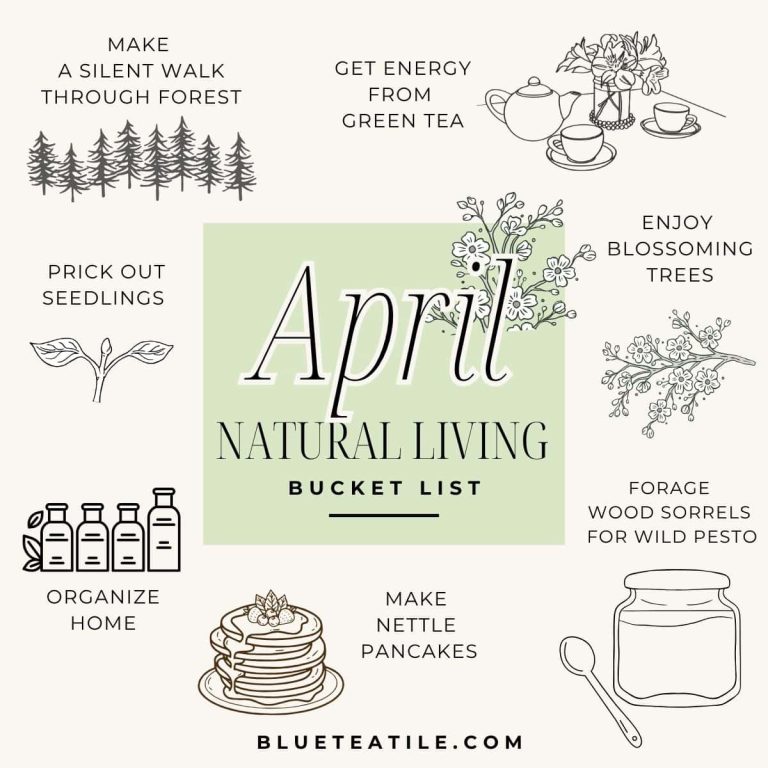
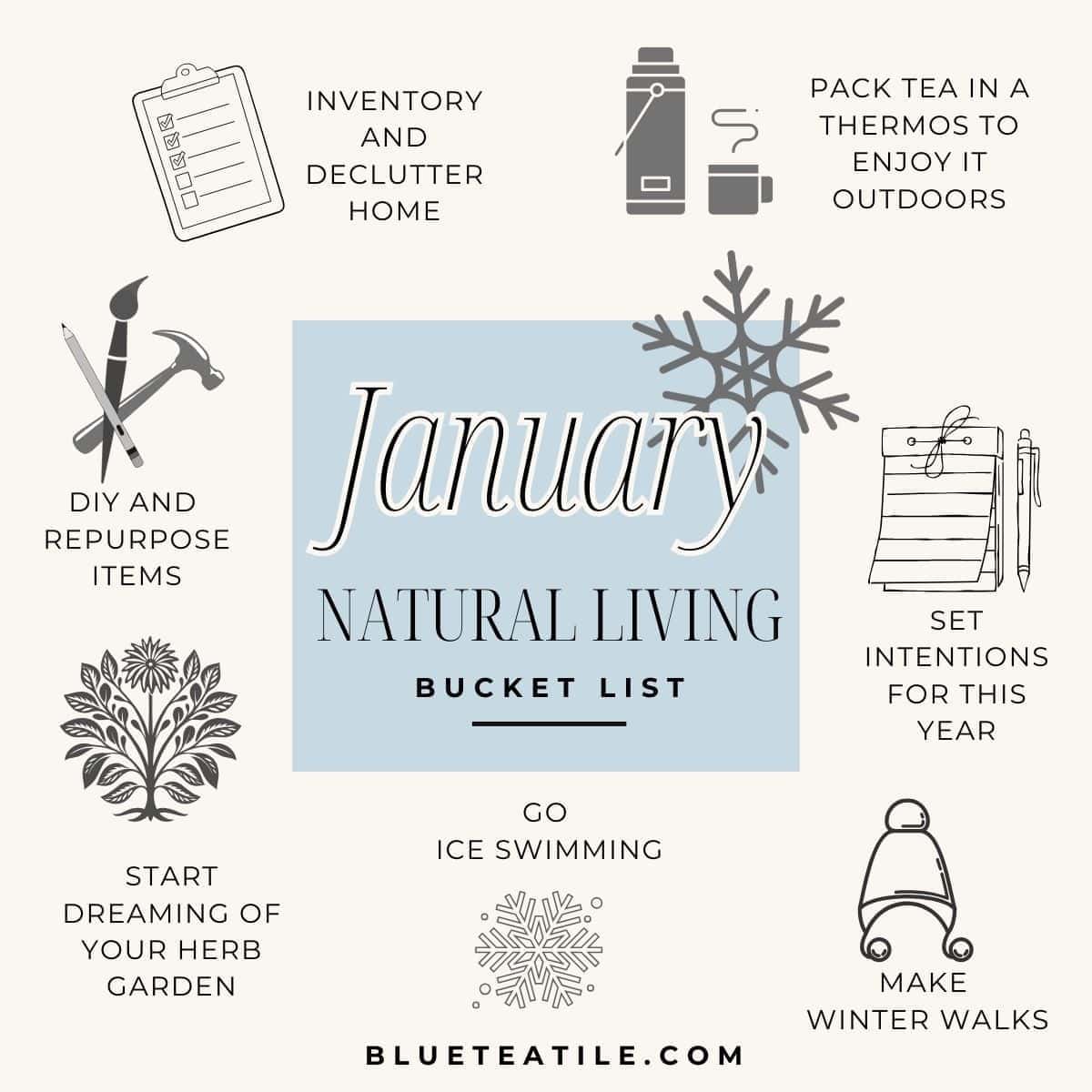
Want seasonal inspiration? My Natural Lifestyle Letters include a seasonal bucket list each month, with simple ideas for living more naturally through the year. If you are not yet a reader, it’s free to join, and you can subscribe here.
Create seasonal rituals
Small rituals can help you acknowledge the season you’re in — a cozy herbal infusion for spring hygge, an iced tea on a summer afternoon, a DIY natural wreath on an autumn day, or a warming tea blend on a winter evening. It’s the tiny rituals that help you move with the rhythm you’re already in.
TRY THIS: Homemade winter tea blends

A Nordic perspective on balance
Nordic lifestyle ideas such as friluftsliv (time in nature), hygge (slowing down and savoring the moment), and lagom (not too much, not too little) all point toward a similar idea: you don’t have to constantly push for more.
It is hard to learn from habits that do not serve you anymore, but it all starts with noticing that you don’t need the same level of output and energy in every season.
Short on time?
Pin it for later!
You don’t need more energy
So now you have noticed that your energy isn’t a fixed resource that you need to constantly produce, protect, or boost. It moves through daily, monthly, and seasonal rhythms.
You may have your brightest focus early in the morning, need to slow down during part of your cycle, or find yourself craving more cozy and quiet time when the days turn darker. These aren’t necessarily problems you need to overcome. Use them as information to build your life around your existing energy.
Start by observing
You don’t have to redesign or redo your whole life around these rhythms overnight. Start with tiny shifts:
- Today: Notice when your energy rises and dips naturally. Became aware of what kind of tasks feel natural at different times during the day.
- This month: Pay attention to how your cycle affects your energy, appetite, mood, and capacity.
- This season: Notice how daylight, weather, and the changing natural world affect the way you want to live.
Then begin to make tiny adjustments. Move a demanding task to a time when you have more capacity to deal with it. Leave some breathing room throughout the week when you see you’ll need it. Steep a cup of tea as a ritual that marks a change of pace. Spend time in nature when the season invites you.
Don’t even try to perfectly optimize your energy or create another strict system to follow. Begin to tune into the rhythm you’re already living in — and learn to work with it.
That, to me, is the most natural way to stay grounded.





One important point to add is the benefit of using fresh, high-quality milk kefir for this recipe. While store-bought kefir works well, homemade kefir made from traditional grains often has a richer probiotic profile, which can enhance both the flavor and the health benefits of the cottage cheese. Additionally, controlling the fermentation time can influence the final texture and tanginess, allowing you to customize it to your taste. This simple two-ingredient recipe is not only quick but also versatile, making it easy to include in a daily routine focused on gut health and wholesome nutrition.
Hi, that is completely true! I think you are referring to my recipe post: Kefir Cottage Cheese.