

Homemade sunflower seed butter (with roasted or raw seeds)

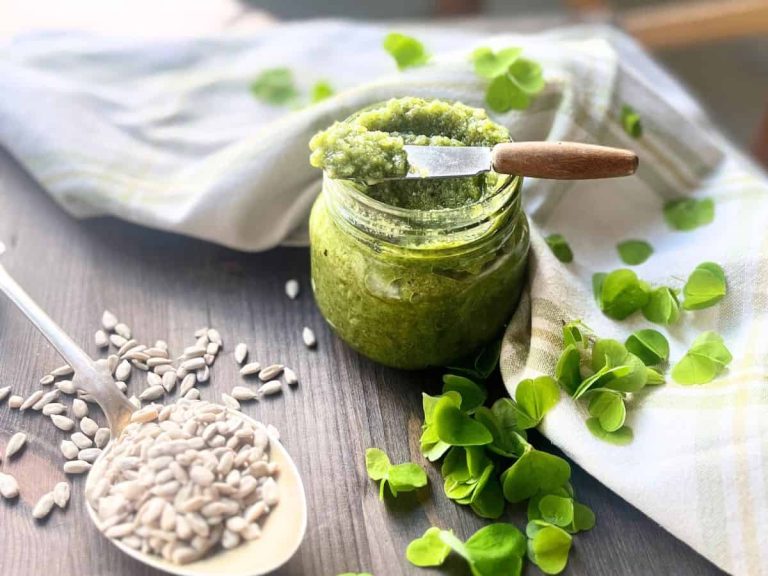
Tasty sunflower seed butter is a perfect staple in a natural lifestyle kitchen. It is a simple thing to do from scratch and a yummy alternative for nut butters, those with tree nut allergies (I’m raising a hand in here)! Own sunflower seed butter is a versatile spread for breads and pancakes, and a good companion for salad dressings and dips! Learn the tricks to make a smooth sunflower seed paste for raw or roasted sunflower seeds.

Tips for making and why you’ll love this recipe
- Simple recipe to start making your bread spreads from scratch!
- Always use raw seeds, and roast yourself to maximise the natural oils the sunflower seeds release when grinding.
- Roast the sunflower seeds for more nutty flavors.
- Great option to substitute nut butters like peanut butter for those with nut allergies!
- Nutritious sunflower seed butter is rich in healthy fats. Sunflower seeds have plenty of vitamins like vitamin B, vitamin E, niacin and have good amounts of folate, selenium, zinc and even plenty of protein!

Short on time?
Pin it for later!
Ingredients you need for the best sunflower butter

- Sunflower seeds: Always buy raw and unsalted sunflower seeds. If you buy roasted, they might have dried too much to release the oils when mixing, making it very hard to make the butter. Use organic sunflower seeds when possible.
- Salt: I use sea salt, but any salt will do. It can be left out too if you normally do your nut butters without it!
- Sugar: Plain white sugar can be substituted with cane sugar or brown sugar, or honey.
- Honey: Use the best flavoured honey you have to give your seed butter a perfect touch. It can be substituted with maple syrup or dark syrup as well.
- Olive oil: Use extra-virgin olive oil, and make sure to add it into the mixture in the end, not to heat the oil in the sealing process, and to save the best nutrition.
You can find the exact measurements on the recipe card.
Tools you may need
- Food processor (a sturdy one!) or a high speed blender.
- Spatula
- Glass jar with an airtight lid
How to make sunflower seed butter
Start making your homemade seed butter by gathering the ingredients on the ingredient list above.
Step one: Roast or not?
If you want to do raw sunflower seed butter, you can skip this step and jump to step two. If you prefer the roasted one, heat the oven to 175°C (347°F). Spread the sunflower seeds in a single layer on a parchment paper-covered oven pan. Roast the sunflower seeds for about 8-10 minutes, mix, and keep roasting for still 5 to 8 minutes, mixing a few times in between.


I do mixing simply by grabbing the opposite corners of the parchment paper and letting the seeds slide into the middle. Then the same with the remaining corners. Once they are in one pile in the middle, I quickly spread them with my hand again in a single layer and put them back into the oven to roast more. Feel free to grab a spoon or spatula to spread, for the seeds are very hot! I’m just too lazy and set in my ways… Roast until golden brown to get the beautiful nutty flavor, and ah, the smell in your kitchen!
Step two: Mixing the sunflower seed butter
Pour raw or roasted, but cooled, sunflower seeds into the food processor and let it grind for a few minutes. Grind only the seeds and let the other ingredients wait their turn. Pause for every few minutes to scrape down the seed meal from the edges if needed and to give the food processor a moment to rest. The whole grinding takes about 10 to 15 minutes with the roasted seeds, depending on your appliance. With raw sunflower seeds, it might take longer.
The homemade sunflower butter has a few stages in grinding:
First, sunflower seeds become sunflower seed meal.


When the meal starts to climb to the edges and doesn’t drop down, use a spoon to scrape it down again.


Then, when you think nothing happens, the seeds start to release the oils and form lumps (or just one big lump at first!). The longer you grind it, the more the oils release, and the thick paste starts to form.


Step three: Seasoning
When it is already more liquid in texture and feels like smooth butter, add the seasoning and then the oil and mix a bit more.

How to use sunflower seed butter
Homemade seed butters are so versatile! Here are a few suggestions on how to use your own homemade sunflower seed butter:
- Spread on flatbreads, crêpes, or pancakes.
- Add to your morning smoothies to give more flavour.
- Dilute with olive oil to create a salad dressing.
- Season a vegetable velouté soup with it.
- Mix with yogurt and honey to make a dip for roasted vegetables.
- Use in your homemade granola.
- Add in the raw treats like granola bars and such!
- Use as a substitute for peanut butter in any recipe to make it friendlier for those with peanut allergies.
How to store and when does sunflower seed butter expire?
Store sunflower seed paste in an airtight container like a mason jar. Keep it stored at room temperature. If it is hot in your kitchen, for example in the summer time, or you are leaving for a vacation, just stick it into the fridge.
Some like to store their sunflower seed butter in the fridge all the time, but we are using the sunflower seed paste, as well as our homemade almond butter, quite regularly. So we store them simply in the dark pantry to keep them more liquid and smooth, to spread them more easily.
If the oil separates and covers the top of the butter, just mix with the spoon to make it smooth seed paste again. Sunflowerseed butter doesn’t expire fast when stored in a cool or room temperature. If stored in too hot the oils in the seed butter will go rancid, and then it smells musty. Increase the shelf life of your homemade sunflower seed butter by using a clean knife or spoon when spreading it.
You can also freeze the sunflower seed butter in the freezer up to 3 months.

How to tweak your nut-free spread
- Add your favourite spices! Spices like cinnamon, cardamom, and vanilla extract match perfectly!
- Grind the seed paste for a shorter time to make it crunchier in texture.
- Try with other seeds like pumpkin seeds to make pumpkin seed butter.
Little Helper
Nut butters and seed butters are fun for little chefs, for seeds are a simple thing to snack on when cooking. Let the little helper spread the seeds on the oven pan, and when cooled to pour into the food processor.
Depending on how loud the food processor is, the tiny chef can stay and watch the metamorphosis of the seeds turning into paste. Our food processor is a super ancient one and super loud. Our daughter tucks her fingers in her ears and runs to the next room to have a respectable distance from the noise maker!
For the little ones, this is a wonderful opportunity to discover just where those delicious peanut butters and similar treats come from. The answer “From the grocery store” is not the answer after they explore this one!
What is your favourite homemade spread?
Let me know if you have done this or other spread recipes? What is your favourite homemade spread or butter? Tag me on Instagram with @blue.tea.tile or let me know in the comments, I would love to know more!
You can find the recipe card below!

Short on time?
Pin it for later!

Homemade sunflower seed butter (with roasted or raw seeds)
Tasty sunflower seed butter is a perfect staple in a natural lifestyle kitchen. It is a simple thing to do from scratch and a yummy alternative for nut butters, those with tree nut allergies (I’m raising a hand in here)! Own sunflower seed butter is a versatile spread for breads and pancakes, and a good companion for salad dressings and dips! Learn the tricks to make a smooth sunflower seed paste for raw or roasted sunflower seeds.
Ingredients
- 500 g raw sunflower seeds, shelled
- 0.25 tsp salt
- 1 tsp sugar
- 1 tsp honey
- 1-2 tsp olive oil
Instructions
- Step one: Roast or not?
If you want to do raw sunflower seed butter, you can skip this step and jump to step two. If you prefer the roasted one, heat the oven to 175°C (347°F). Spread the sunflower seeds in a single layer on a parchment paper-covered oven pan. Roast the sunflower seeds for about 8-10 minutes, mix, and keep roasting for still 5 to 8 minutes, mixing a few times in between.
I do mixing simply by grabbing the opposite corners of the parchment paper and letting the seeds slide into the middle. Then the same with the remaining corners. Once they are in one pile in the middle, I quickly spread them with my hand again in a single layer and put them back into the oven to roast more. Feel free to grab a spoon or spatula to spread, for the seeds are very hot! I’m just too lazy and set in my ways… Roast until golden brown to get the beautiful nutty flavor, and ah, the smell in your kitchen! - Step two: Mixing the sunflower seed butter
Pour raw or roasted, but cooled, sunflower seeds into the food processor and let it grind for a few minutes. Grind only the seeds and let the other ingredients wait their turn. Pause for every few minutes to scrape down the seed meal from the edges if needed and to give the food processor a moment to rest. The whole grinding takes about 10 to 15 minutes with the roasted seeds, depending on your appliance. With raw sunflower seeds, it might take longer.
The homemade sunflower butter has a few stages in grinding: First, sunflower seeds become sunflower seed meal. Then, when you think nothing happens, the seeds start to release the oils and form lumps (or just one big lump at first!). The longer you grind it, the more the oils release, and the thick paste starts to form. - Step three: Seasoning
When it is already more liquid in texture and feels like smooth butter, add the seasoning and then the oil and mix a bit more.
Notes
- Scroll up for step-by-step grinding photos to know more about the process.
- Find ways to adapt the recipe to your liking by tweaking this recipe.
- Read more about the ingredients and substitutes.
- Tips on storing and expiration date guidance.
- For more serving suggestions and how to use sunflower seed butter, you’ll find by scrolling up the blog post.
Nutrition Information:
Yield: 17 Serving Size: 1Amount Per Serving: Calories: 167Total Fat: 15gSaturated Fat: 2gTrans Fat: 0gUnsaturated Fat: 13gCholesterol: 0mgSodium: 1801mgCarbohydrates: 5gFiber: 3gSugar: 1gProtein: 6g
These calculations are generated automatically by Nutritionix based on the ingredients shown in the recipe. The nutrition information is an estimation and may include errors. All nutritional information presented and written within this site (blueteatile.com) is intended for informational purposes only. The writer is not a certified nutritionist or registered dietitian and any nutritional information should be used as a general guideline only.





One Comment