Blackcurrant leaf tea: How to dry, store, and steep

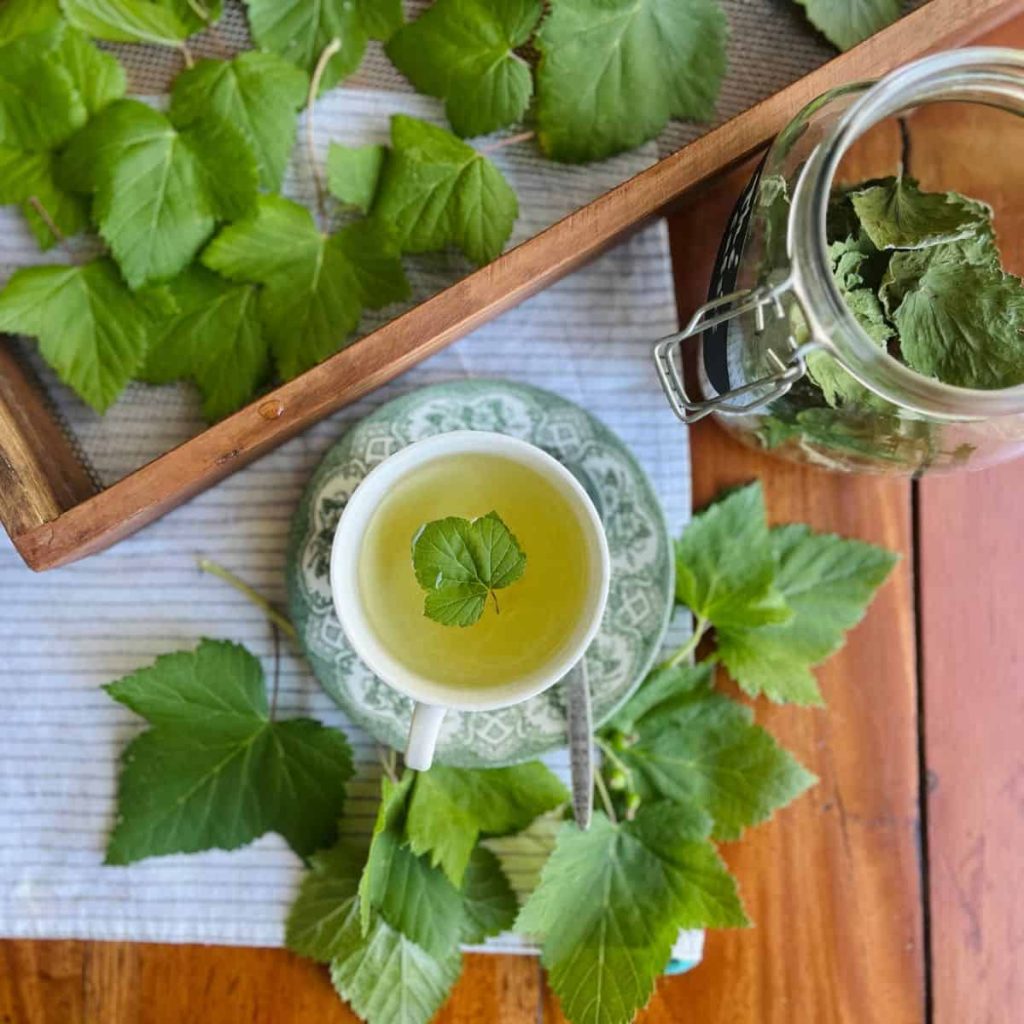
Blackcurrant leaves have a beautiful aroma and fine flavour in teas, iced teas, and other beverages. they can be dried, fermented, or frozen to be used outside the harvest season. And even if you are not a blackcurrant lover, you might find out after this that you are a happy blackcurrant leaf lover.
Disclaimer: This post may contain affiliate links, which means if you click on a product or a service and decide to purchase it, I may receive a commission at no extra cost to you. For more information, you can read my full disclaimer.
What to do with blackcurrant leaves
Blackcurrant leaves are mostly used in the kitchen for teas, iced teas, and other refreshing beverages or delicious sorbets. But they have found their way in the food supplements as well to manage joint pain and circulation support.
Other black currant leaf uses are, for example, to boost the immune system, ease cough and cold, and to increase blood flow throughout the body.
Blackcurrant berries are also rich in vitamin C, and a natural health practitioner has suggested for me using blackcurrant seed oil to balance out the lack of omega-3 when I don’t eat fish, for they are naturally high in omega-3. So the entire blackcurrant plant has plenty of benefits for us to use.
What currant leaves are good for tea?
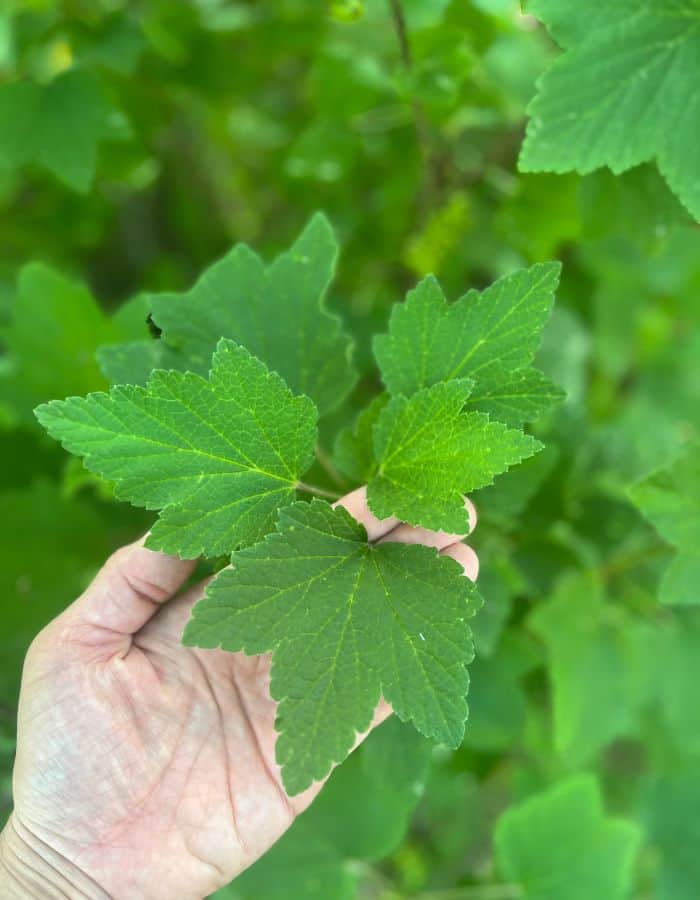
When making currant leaf tea, I highly recommend using only the blackcurrant leaves. Blackcurrant leaves have the best flavour, they have a deep and complex scent and flavour unlike other currant leaves, that don not have a special scent.
So if you are not sure which currant bushes you are having, wait for the berries and then harvest some leaves to try out.
Short on time?
Pin it for later!
How to harvest black currant leaves
After the morning dew has dried up, choose healthy, clean, and undamaged black currant leaves. Harvest only leaves, no branches or berries. If the leaves don’t look appetizing to eat, they will not make a good tea either.
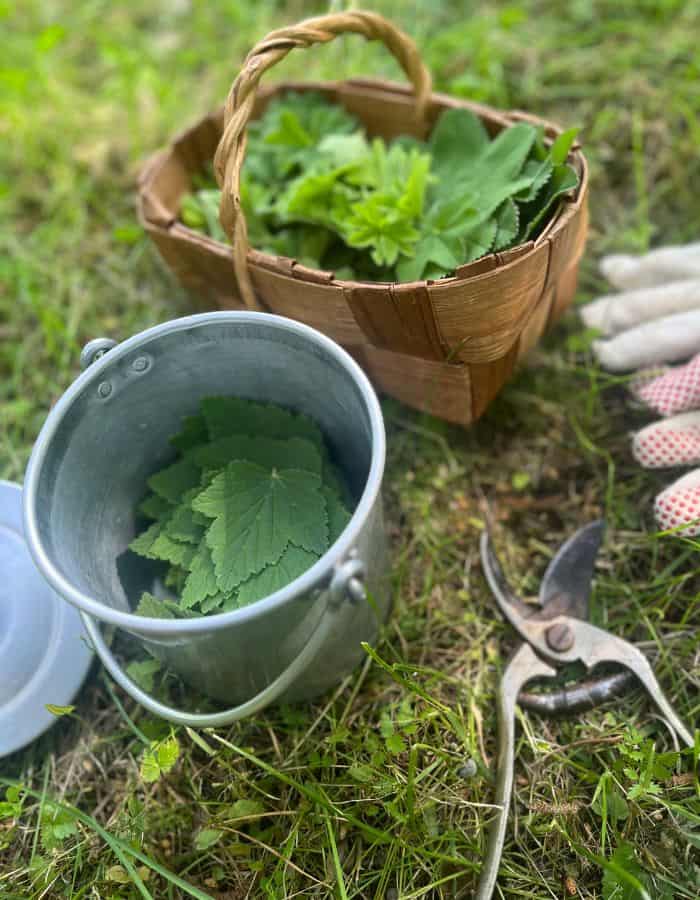
In the springtime, if you are pruning your blackcurrant bushes, you can simply collect the shoots for tea from the cut-off branches. As to say, the best time to gather blackcurrant leaves is in spring, and to pick the first shoots and the top leaves, but otherwise, any time is generally good for harvest and results in a quite good tea.
Should I use dried ot fresh leaves?
You can make blackcurrant leaf tea from both fresh and dried leaves. Use more leaves in steeping when they are fresh and about half as many when you use dried, for their flavour is more condensed.
Storing blackcurrant leaves
If you want to make blackcurrant tea out of season, it is best to either dry, ferment, or freeze the leaves.
Drying blackcurrant leaves for tea
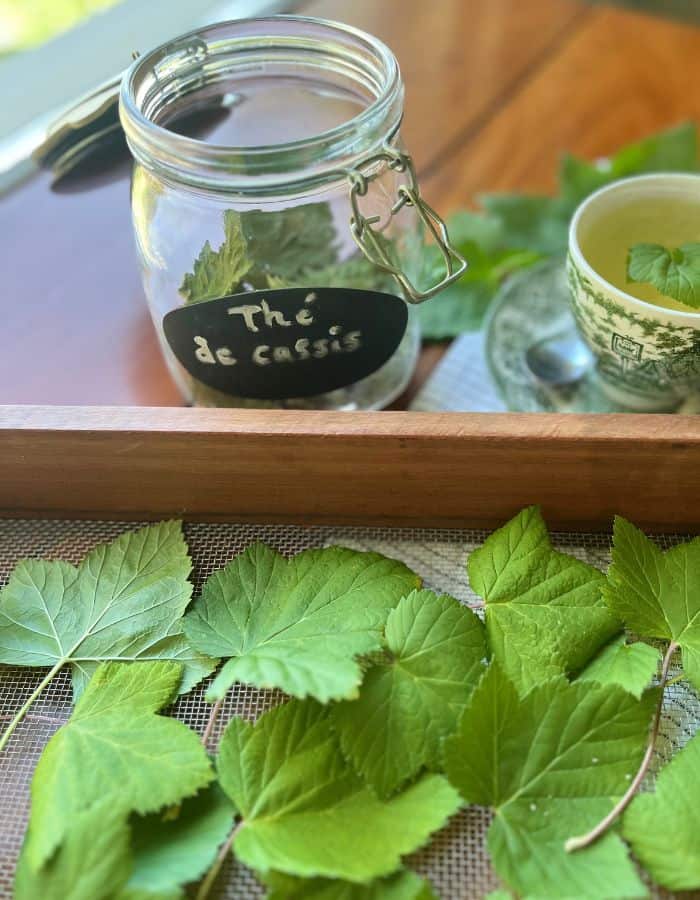
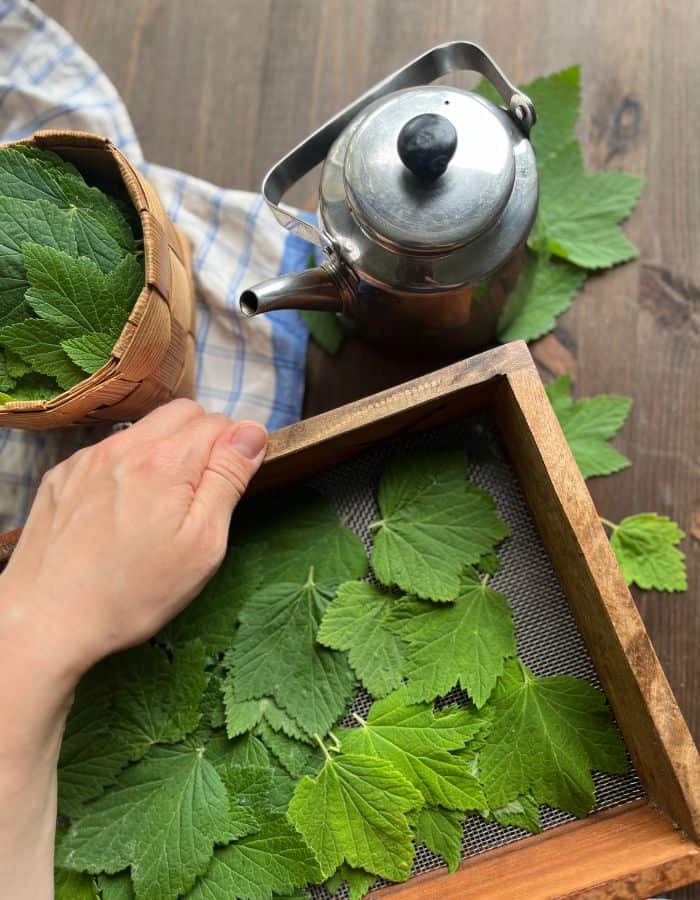
Set the harvested, clean leaves on a flat surface in a single layer to let the air circulate to dry them.
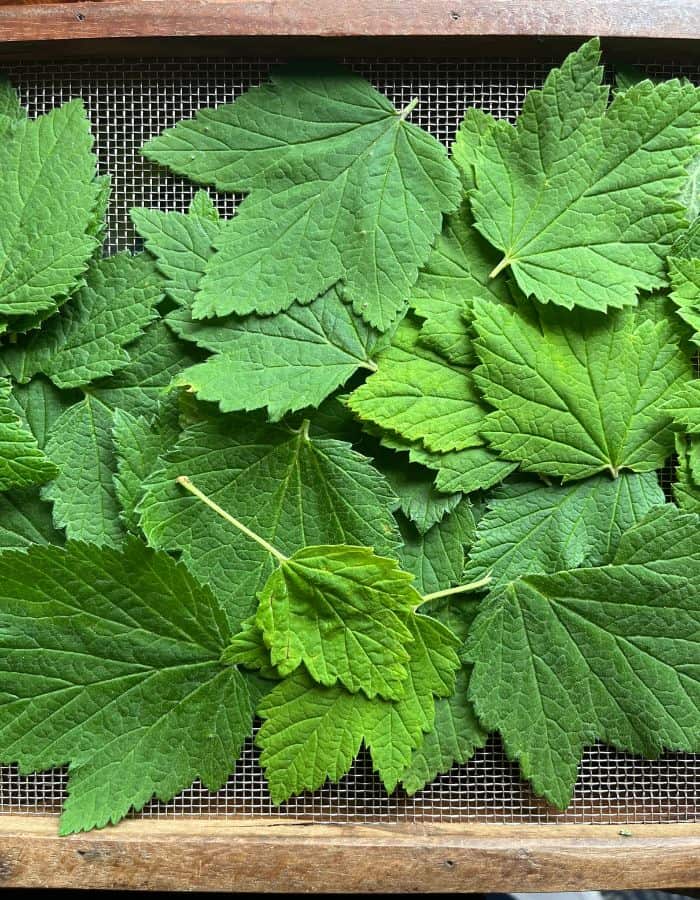
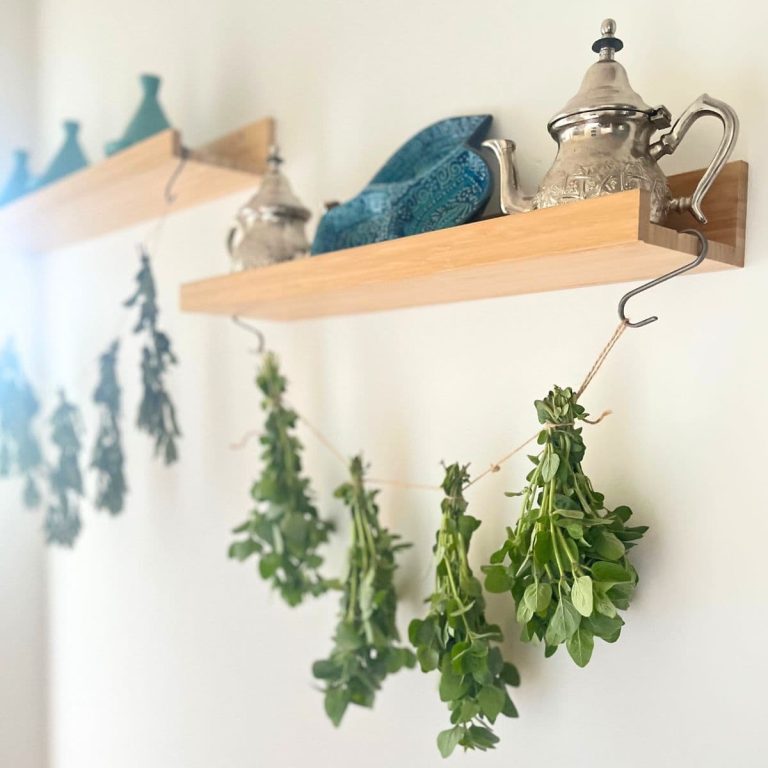
I love to use the “string of pearls method”, and pierce a needle and thread through the leaves to dry them like a necklace. That way, the leaves stay flatter than when flat dried, when they tend to curl.
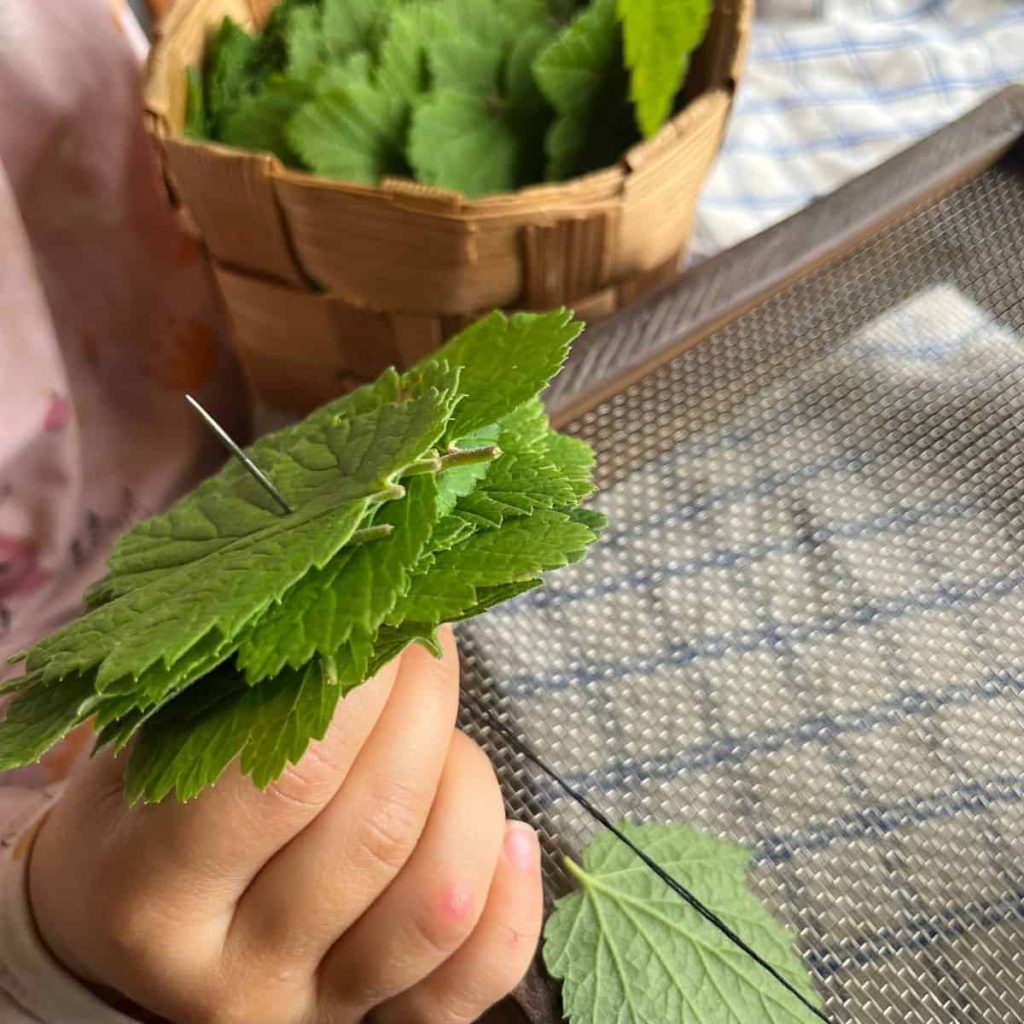
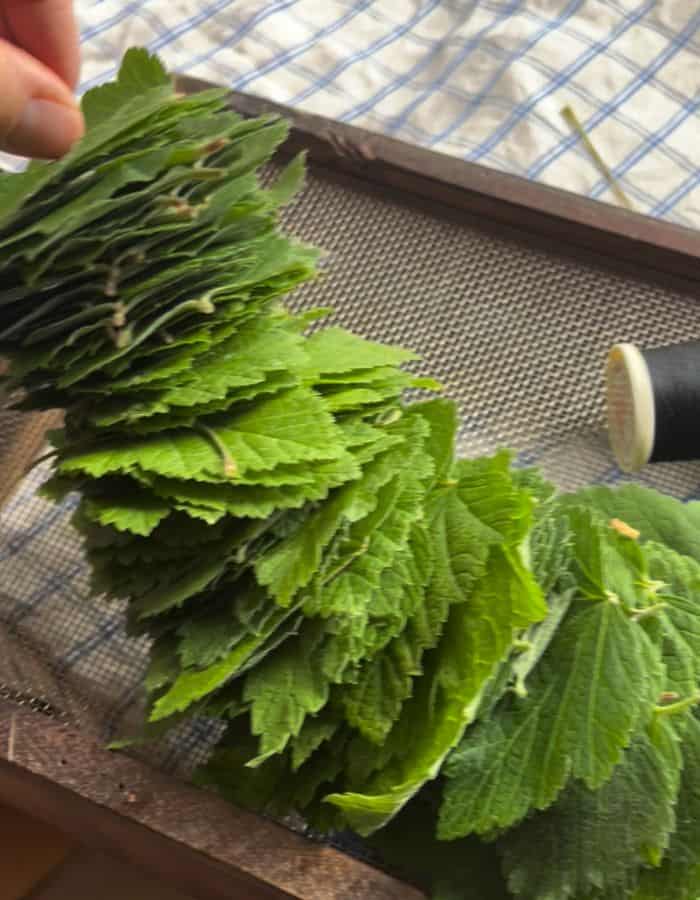
Later on, when you want to store the leaves, the dried leaves take up less space and can be more efficiently stored. When drying herbs for tea, I always recommend drying naturally without an oven or dehydrator for a more sustainable way.
LEARN MORE: How to dry herbs for tea
Fermenting blackcurrant leaves
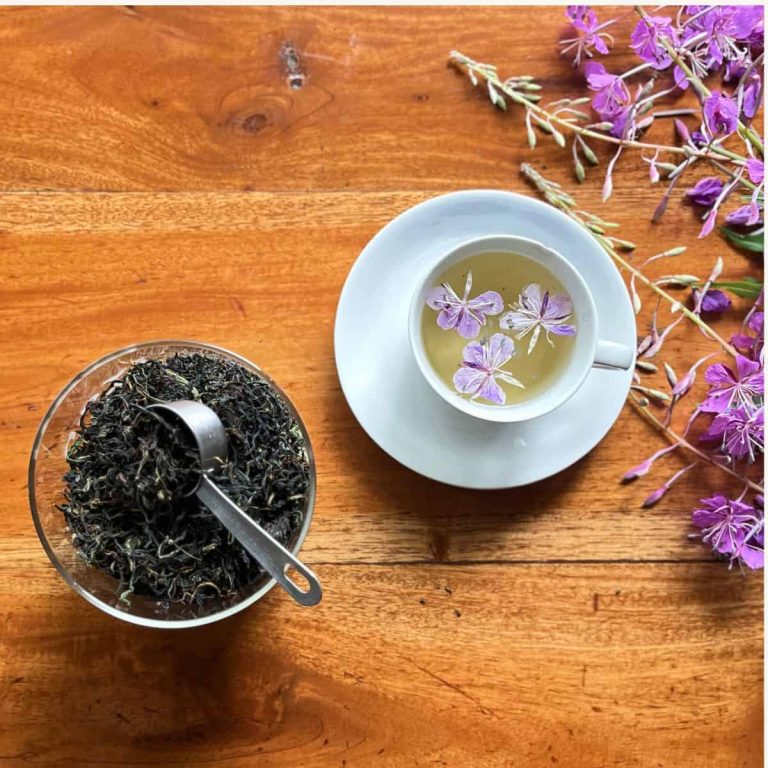
You can also ferment the leaves for deeper hues with the same method that I have used for fermented fireweed tea, called Ivan Chai.
Basically, you let the leaves wilt for 6-12 hours, then you roll them to bruise the leaves and to break them to let them oxidise for a few hours. Then seal the rolled leaves into a glass jar and leave in a warm place, like on the top of a fridge, for 3 to 5 days, and then stop the process with heat: drying in the oven or on a wok pan.
Note, though, that I have not yet tested the process with blackcurrant leaves, only with fireweed leaves. But people also seem to love to ferment the blackcurrant leaves, so maybe it is my next summer project, what do you think? Let me know in the comments if you have tried it already or if I should do some testing?
How to freeze blackcurrant leaves
Choose clean and healthy-looking leaves, and pile them neatly in a ziplock bag. Try to push all the air out when closing the ziplock to minimise the space. Blackcurrant leaves keep their aroma quite well in the freezer, and they stay good for up to the next harvest.
How to steep blackcurrant leaf tea using fresh leaves
This recipe makes one cup of blackcurrant tea from fresh blackcurrant leaves.
- 250ml boiling water
- 2-3 tsp fresh leaves, cut OR about 2-3 big whole leaves
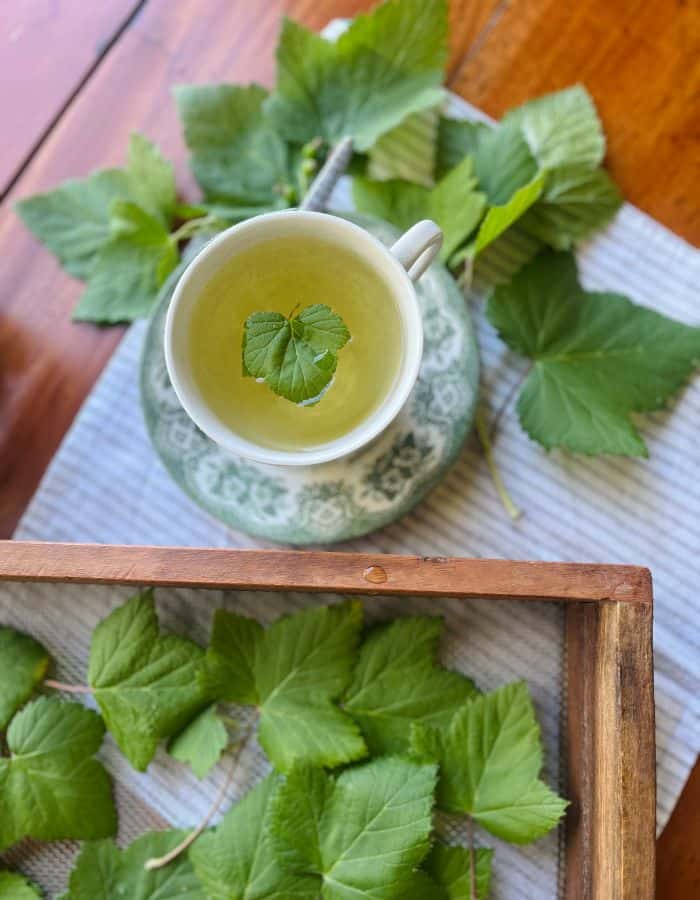
Pour the boiling water over the fresh blackcurrant leaves. The cut ones release a bit more flavour than the whole leaves, but I just love how the leaves look in the cup, so I steep whole leaves when they are fresh.
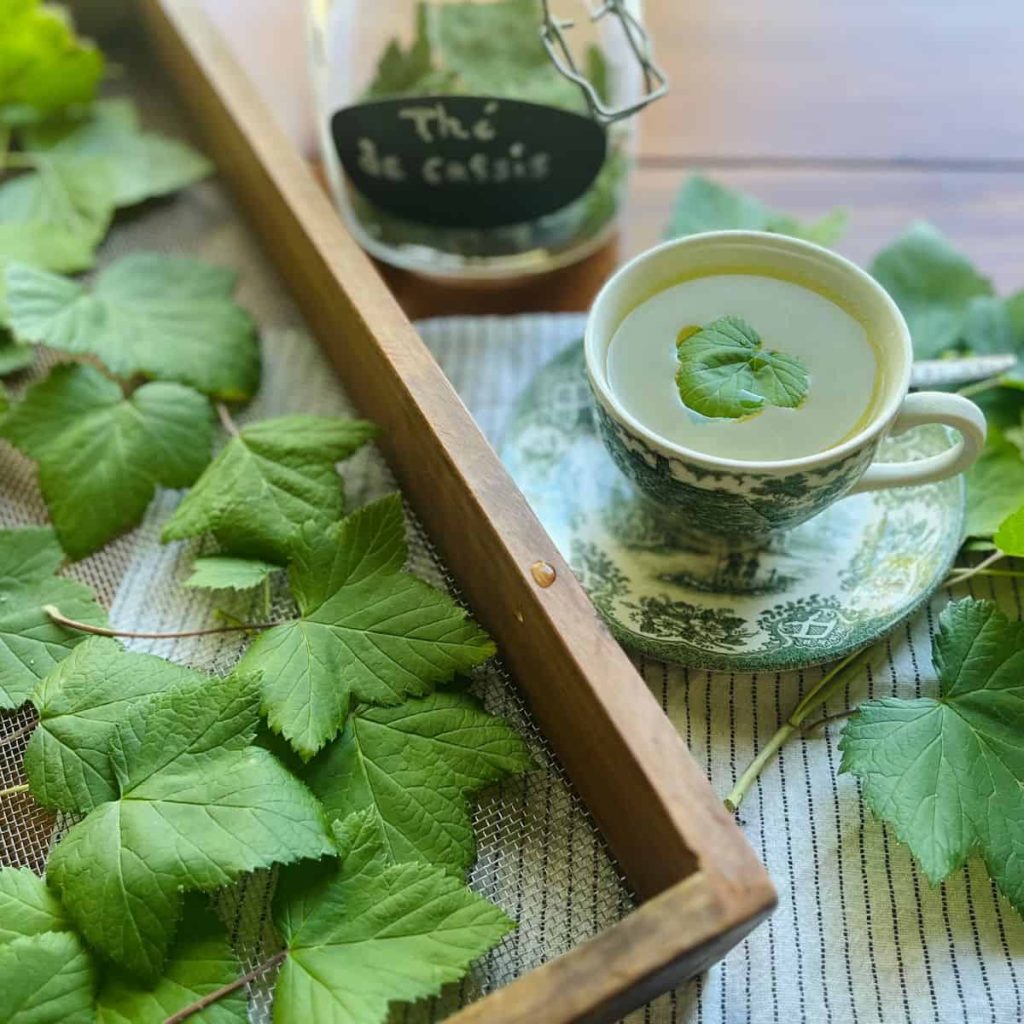
Let steep covered for 10-20 minutes. Because the steeping time is quite long, you can do it in a kettle as well, or pour some hot water in the cup to warm it up first, and then make your blackcurrant leaf tea in it.
Remove the tea leaves, lift off the infuser bassket or strain the tea with a tea strainer to filter and discard the leaves.
Dried blackcurrant leaf tea recipe
When you store the blackcurrant leaves for later use with drying or fermenting, the steeping method is similar to any other herbal tea steeping:
- 250ml boiling water
- 1-2 tsp dried blackcurrant leaves, crushed
Pour the boiling water over the crushed blackcurrant leaves in an infuser basket. Let steep for 5 to 15 minutes, discard the leaves, sweeten if you prefer, and enjoy hot.
| LEARN MORE: How to make herbal tea
Insider: A peek into Nordic living
In Finland, we have this Louhisaaren juoma, Louhisaari beverage, which is known to have been made by our first president’s mother in the early 20th century using the blackcurrant leaves.
The original recipe uses yeast to ferment the sugar into a slightly alcoholic beverage like sima, mead. I like to keep things non-alcoholic, so I have made following recipe without yeast fermentation, and more iced tea-like beverage.
The flavour has surprisingly similarities with elderflower juice or elderflower cordial!
Blackcurrant Leaf Iced Tea
- 2 l fresh blackcurrant leaves or 25g dried ones
- 250 g sugar
- 1/2 lemon juiced OR 15g citric acid
- 3 l water
Boil water and pour over layered blackcurrant leaves and sugar. Add lemon juice or citric acid and stir well.
Let cool at room temperature overnight, about 12 hours.
Strain off the leaves, bottle, and store in the cold.
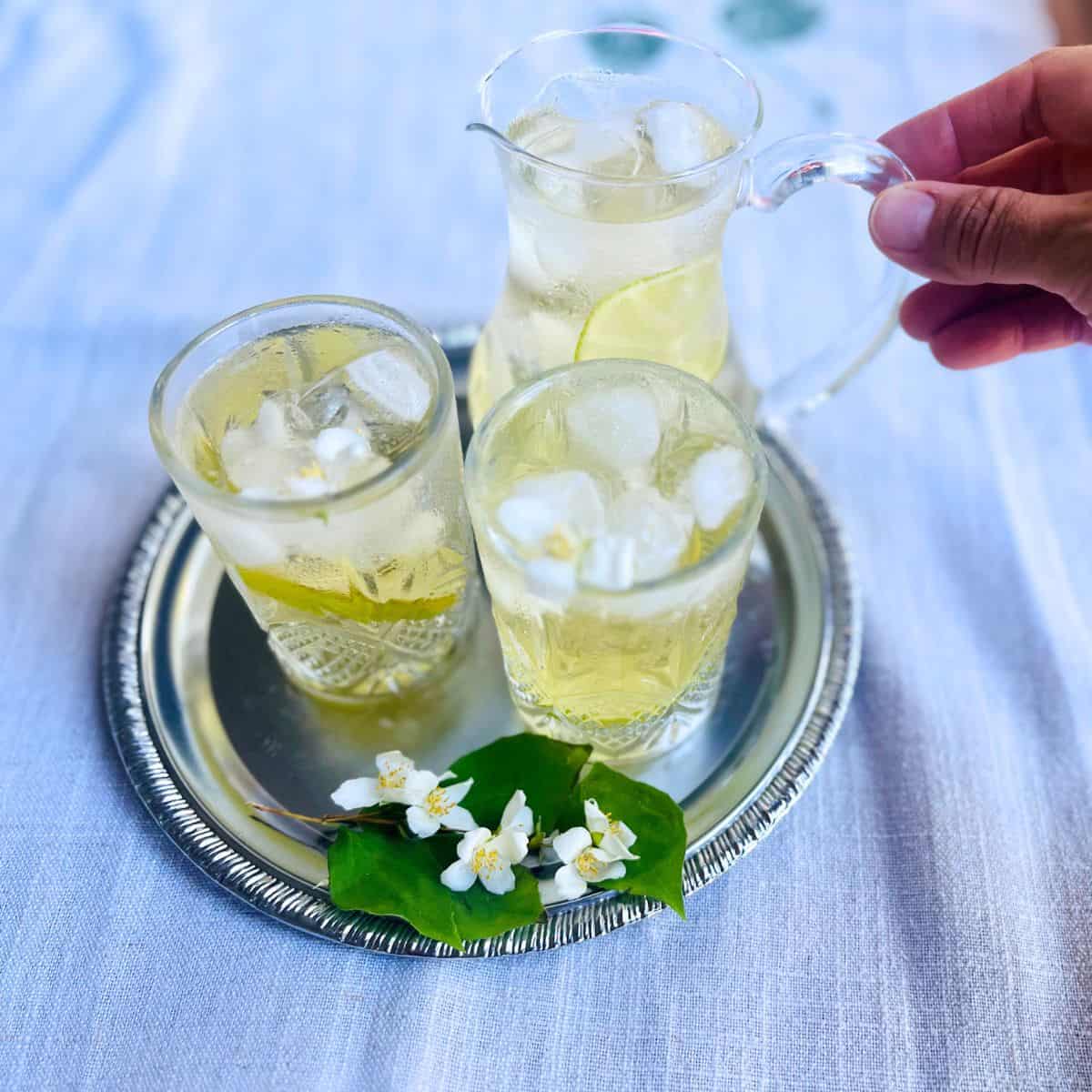
I love to dilute this blackcurrant leaf drink with water for iced tea, or with bubbly water or tonic for a mocktail-style beverage.
Short on time?
Pin it for later!
Add some ice, and garnish with lemon and a few tiny fresh blackcurrant leaves.
Storing the blackcurrant leaf iced tea
This blackcurrant leaf drink base stays well for about one week in the fridge or up to the next harvest in the freezer.