Caffeine Awareness Month: Finding Your Natural Energy Rhythm

March is Caffeine Awareness Month.
Instead of focusing on counting caffeine milligrams or cutting back, it’s a gentle moment to pause and scan your lifestyle — and decide which habits you don’t want to carry into the next season.
Balance your energy naturally. Feel calmer when needed.
It begins with awareness of what — and how — you consume.

What Is Caffeine Awareness Month?
Caffeine Awareness Month takes place each March. It was created to increase awareness about caffeine consumption and where caffeine is commonly found — coffee, tea, soda, chocolate, and energy drinks.
Organizations such as the Caffeine Awareness Alliance have focused on education around caffeine intake and its effects. Large health organizations like the FDA also provide general guidance about caffeine consumption levels.
Most conversations during Caffeine Awareness Month focus on limits and safety. But it can also be something quieter: a reminder to notice your daily habits and the role caffeine plays in them.
Caffeine Awareness Month as a Practice of Balance
Caffeine Awareness Month can be less about restriction — and more about paying attention.
It’s about noticing the rhythm of your own energy and choosing your energy source intentionally, rather than automatically.

When you are intentional with your intake, you can use coffee and tea to balance your energy naturally, instead of letting caffeine run your day.
This month can mean:
- Awareness over avoidance
- Rhythm over rules
- Seasonal adjustment
- Intentional enjoyment
What would change if your caffeine followed the season you are in — instead of leading your energy?
Caffeine and the Quality of Your Energy
Not all energy feels the same.
Wired vs Steady Alertness
You know the feeling: you could do anything and everything right this minute. The energy feels limitless — until it drops after the spike.
Too much, too fast.
Caffeine brings up the energy fast, especially in strong coffee drinks. When you are intentional with your consumption, you start to notice the difference — and your own limits.
For some, a single espresso is completely sufficient for steady alertness. A double or triple might push the energy higher than necessary — and the drop feels heavier afterward.
So tune in. How does it actually feel?

Smooth Focus Instead of Sharp Spikes
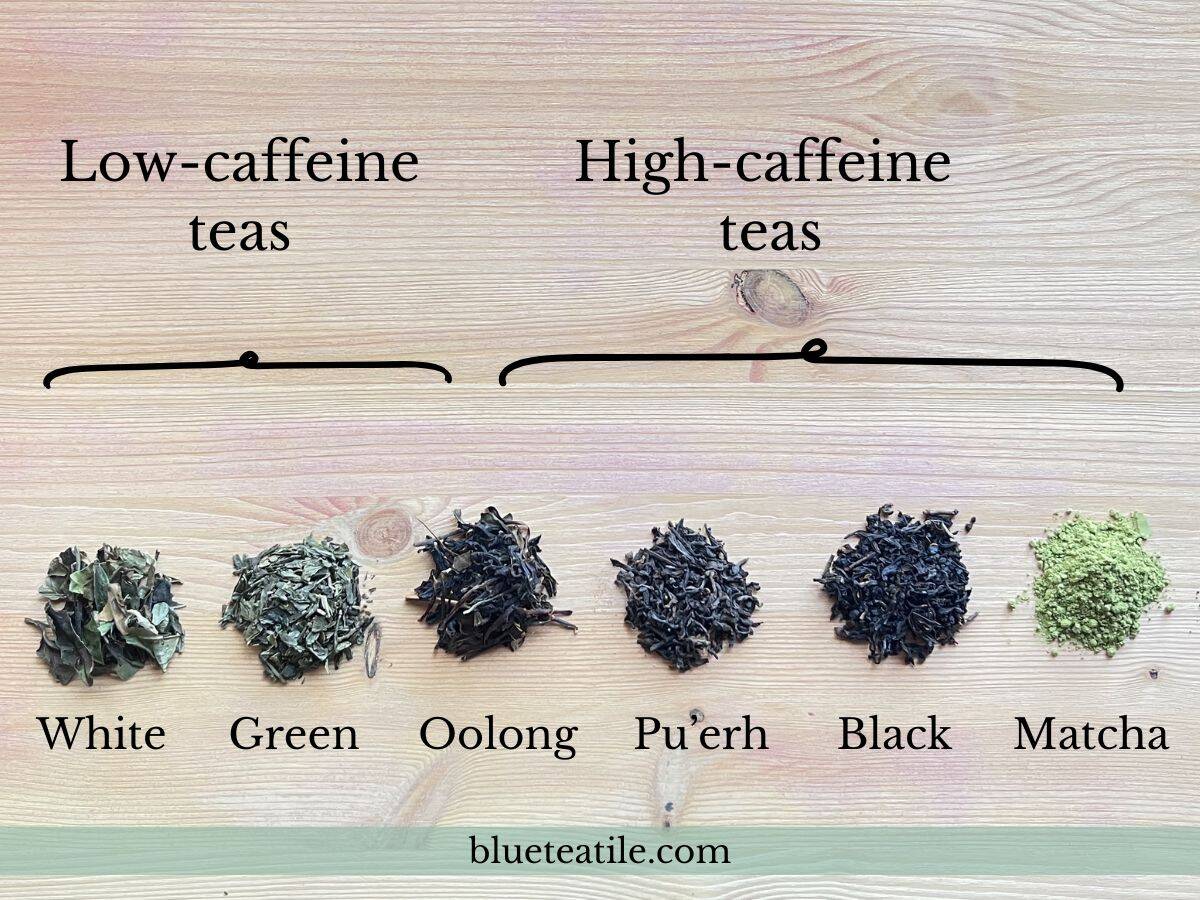
For smoother focus over a longer time, green tea can feel different. Tea contains tannins that slow down the absorption of theine, and as a result, energy can feel more gradual compared to coffee.
When energy rises calmly, it often comes down calmly as well.
If you want to explore this deeper, I explain the differences between tea and coffee stimulation in Theine vs Caffeine: Natural Energy in Tea and Coffee.
Timing Matters More Than Quantity
Sometimes it’s not how much — but when.
Coffee in the morning, tea in the afternoon, herbal infusions in the evening. Small timing shifts can change how your day feels.
During Caffeine Awareness Month, this is a simple place to start: notice when you reach for caffeine.
Is it energy?
Is it thirst?
Is it habit?
Should Caffeine Shift as Daylight Increases?
Now in March, there is a clear seasonal transition — especially in the Northern Hemisphere. The days grow longer. Morning light arrives earlier. Natural energy patterns shift. The body often doesn’t need the same intensity as in deep winter.
Winter survival habits don’t always fit spring.
During Caffeine Awareness Month, this seasonal shift becomes even more relevant.
Reflect or journal these prompts:
- Does my morning cup elevate my day — or is it just automatic?
- Do I still need that second cup?
- Could I move my afternoon coffee earlier?
- Could some days be tea days instead?
This is not about quitting. It’s about noticing.

Intentional vs Automatic Consumption
Another way to approach Caffeine Awareness Month is to observe how you consume caffeine.
Is your cup a ritual — or a reflex?
If the cup warms your hands and you savour it, you are on a good path. If you are scrolling and later don’t even remember drinking it, that tells a different story. Coffee while scrolling feels different from coffee while sitting quietly with your hands around the cup. It even tastes different.
Awareness begins there.
Nordic Insider: Fika Is a Pause, Not a Productivity Tool
In the Nordics, there is the concept of Swedish fika — an enjoyable pause in the day with coffee, cake, and often friends.
Fika is not about caffeine.
It’s about slowing down.
The drink supports the pause, not the other way around.
This March, invite someone for a small coffee moment. Bake Cinnamon Buns. Brew slowly. Let the moment be the point.

Gentle Ways to Adjust Your Caffeine Rhythm This March
Without turning Caffeine Awareness Month into a strict challenge, try small shifts:
- Try tea before coffee some mornings
- Wait a little before your first cup
- Brew slowly — no rushing the kettle
- Pair caffeine with food, like in fika
- Replace one afternoon coffee with herbal tea
These are not rules. They are options.
One part of a natural lifestyle is being intentional with your energy and your energy sources — and choosing the natural lifestyle habits you want to carry forward.
Try These Naturally Caffeine-Free Drinks This Month
Sometimes awareness simply means adding variety.
You can also explore how to brew loose-leaf tea properly in the ultimate guide on how to brew loose-leaf tea or learn the basics of herbal infusions in Herbal Tea 101.

Final Reflection for Caffeine Awareness Month
Most websites during Caffeine Awareness Month focus on:
- How much is too much
- Safety limits
- Side effects
- Reducing intake
Those conversations have their place.
But there is another approach.
Not “How much?”, but “How does it feel?”
Not limits, but rhythm.
Not fear, but awareness.
Caffeine Awareness Month isn’t about quitting coffee. It’s about waking up to your habits — the moments, the reasons, and the patterns behind them.
If it shakes something up, good.
If it simply makes you more intentional tomorrow morning, that’s perfect.